The Complete Guide to a Sugar-Free Indian Kitchen in 2026
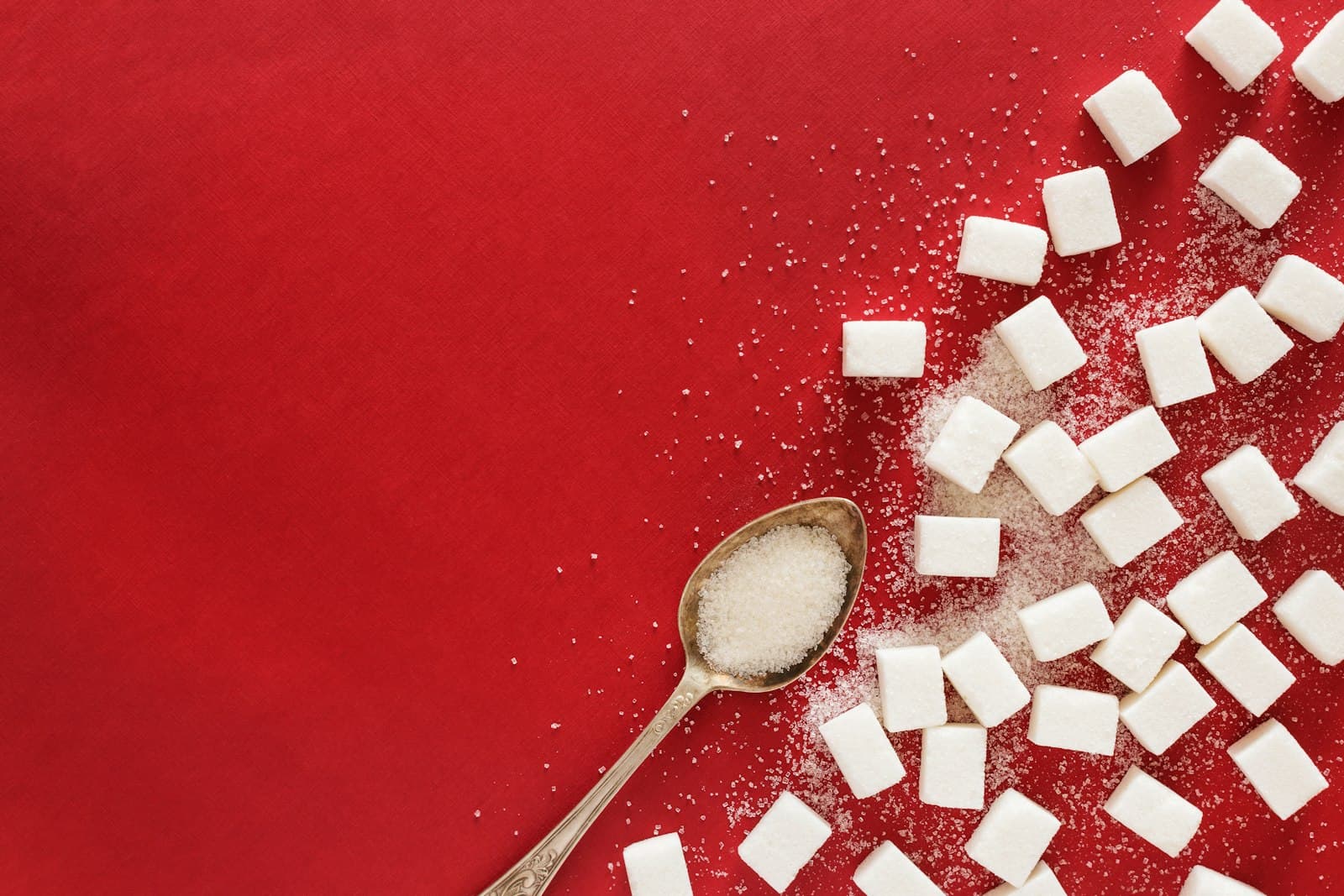
The average Indian consumes nearly double the WHO-recommended daily sugar limit - and most of it is hiding in plain sight in your kitchen. This is a practical, room-by-room guide to transforming your Indian kitchen into a sugar-free powerhouse without sacrificing taste.

I did something last month that mildly ruined my week. I flipped over every packaged item in my kitchen and read the sugar content.
The ketchup - nearly a teaspoon of sugar per tablespoon. The "digestive" biscuits my family has been buying for years - more sugar per serving than a Dairy Milk bar. The "health drink" my nephew has every morning - 70% sugar by weight, dressed up with some vitamins.
The average Indian eats about 50-55 grams of sugar daily. WHO says keep it under 25. We're at double. And most of it isn't from the mithai box - it's from stuff we buy without thinking.
This isn't a diet guide. I don't do diets. This is about doing a hard reset on your kitchen so the sugar simply doesn't reach your plate anymore. No willpower needed. Just swap the inputs and the output fixes itself.
First: The Sugar Audit (Do It This Weekend)
Pick up every packaged item in your kitchen. Every. Single. One. Flip it. Find "Total Sugars" on the nutrition panel. What you'll probably find:
| Item | Sugar Per Serving | How That Feels |
|---|---|---|
| Ketchup (1 tbsp) | ~4g | Almost a teaspoon of sugar in your sauce |
| Packaged fruit juice (200ml) | ~20-24g | Six teaspoons. SIX. In a "healthy" drink. |
| "Digestive" biscuits (4 pcs) | ~8-10g | More than two teaspoons in your tea-time snack |
| Flavoured yogurt (100g) | ~12-15g | You thought you were being healthy with yogurt |
| Breakfast cereal (30g) | ~8-12g | Your kid's "nutritious" breakfast is dessert |
| Bread (2 slices) | ~3-5g | Even bread. BREAD. |
| Health drink (per glass) | ~15-18g | Four-plus teaspoons. Called "health." |
Do this once. Just once. You can't unknow what you'll learn.
Picking Your Sweetener (Because This Gets Confusing)
Once you've decided to cut sugar, you immediately hit the question: replace it with what? This matters more for Indian cooking than Western - we need things that survive tadka heat, that work in barfi, that dissolve in boiling chai.
| Sweetener | GI | Calories | Does It Work in Indian Cooking? | Honest Take |
|---|---|---|---|---|
| White Sugar | 65 | 4 cal/g | Obviously | The devil we know |
| Jaggery | 84 | 3.8 cal/g | Great flavour in halwa, chikki | Higher GI than sugar (people don't know this). More here. |
| Honey | 58 | 3 cal/g | Raw use only - heating kills the good stuff | Don't cook with it. Drizzle it. |
| Stevia | 0 | 0 | Works, but some people hate the aftertaste | If you're fine with the taste, great. Many aren't. |
| Monk Fruit | 0 | 0 | Heat stable, dissolves well, clean taste | Closest to actual sugar taste. Pricier. |
| Aspartame | 0 | 0 | Breaks down in heat - useless for cooking | Chemical aftertaste, limited use. |
| Coconut Sugar | 54 | 4 cal/g | Nice caramel note | Slightly better than sugar. Still sugar. |
Detailed comparisons for each: see our sweetener comparison hub. And The thing about glycemic index - if you're diabetic or prediabetic, zero-GI isn't a nice-to-have, it's the whole point.
The Room-by-Room Swap (Practical, Not Preachy)
Your Pantry
The Pantry Rule
If you can't pronounce an ingredient, or if sugar appears in the first 3 ingredients on the label, it doesn't belong in your kitchen. Start with this one filter.
- White sugar jar: natural zero-calorie sweetener. The one swap that touches everything else.
- Packaged ketchup: make tomato chutney at home. Tomatoes, garlic, some spices. Takes 20 minutes. Zero added sugar. Tastes better anyway.
- Bottled sauces: switch to fresh green chutney, or make your own imli chutney with date paste instead of sugar.
- Jaggery - keep it for occasional use. Just know it's not the "healthy" alternative people claim. GI of 84. Seriously.
Your Fridge
- Flavoured yogurt: plain dahi + cut fruit. Mango season makes this easy. Off-season: banana or a handful of berries.
- Packaged juice (the biggest offender in most Indian fridges): fresh nimbu pani, coconut water, or just... eat the fruit whole. The fibre in whole fruit slows sugar absorption. Juice removes the fibre and concentrates the sugar. It's basically a scam.
- Flavoured milk: plain milk with a pinch of haldi and some sweetener if needed.
Breakfast Corner
- Sugar cereals (Chocos, cornflakes with sugar): poha, upma, idli, dosa, or oats with nuts. Indian breakfasts were already great. We just got distracted by cereal marketing.
- Bournvita/Horlicks/Complan: plain milk with homemade dry fruit powder (grind almonds, cashews, a few strands of saffron). Your kid will survive without the cartoon mascot on the tin.
- The chai transition: Week 1, cut sugar by half. Week 2, switch to natural sweetener. Most people can't tell the difference after a few days.Week 1 Challenge: Don't change anything. Just flip 5 packages in your kitchen and read the sugar content. Write it down. Awareness alone changes behaviour.
The Snack Shelf
- Glucose biscuits: makhana. Seriously. Roasted makhana with a pinch of salt and chaat masala is addictive and has actual nutritional value.
- Packaged namkeen: homemade trail mix. Peanuts, raisins, pumpkin seeds. Takes 2 minutes to mix. Lasts all week.
- Chocolate bars: dark chocolate, 70%+ cocoa. Two squares satisfy the craving without the sugar bomb.

10 Indian Recipes That Never Needed Sugar
The funny thing is, most traditional Indian food was never meant to be sweet. We added sugar to everything over the last few decades - to chai, to dahi, to lemon water - and forgot that the originals were already good.

- Masala Chai: Strong tea + ginger + elaichi + natural sweetener. The spices do the work. Sugar was always a passenger, never the driver.
- Nimbu Pani: Lemon + water + black salt + roasted cumin + sweetener. The black salt and cumin make this - you won't miss the sugar.
- Overnight Oats with Mango: Oats + milk + fresh mango + chia seeds. The mango handles all the sweetness. No additions needed in season.
- Sugar-Free Gajar Halwa: Slow-cook carrots in milk, add ghee, elaichi, natural sweetener, garnish with almonds. Every bit as indulgent. I've served this to people without telling them - nobody noticed.
- Moong Dal Chilla: Soaked moong + chilli + ginger + cumin, spread thin. High protein, zero sugar, tastes fantastic with green chutney.
- Sugar-Free Besan Ladoo: Roasted besan + ghee + elaichi + sweetener. The flavour comes from the roasted besan and ghee - sugar was always the least important ingredient.
- Sattu Drink: Sattu powder + water + lemon + cumin + black salt. Bihar's best-kept secret. Tastes amazing, 20g protein, never had sugar in it.
- Curd Rice: Rice + dahi + mustard seeds + curry leaves + green chilli. Comfort food that never needed sweetening in the first place.
- Ragi Porridge: Ragi flour in milk + banana + almonds. The banana sweetens it. Add a drizzle of honey on top if you want, but taste it without first.
- Masala Buttermilk: Fresh chaach + roasted cumin + black salt + coriander + mint. India's original probiotic drink. Sugar would ruin this.
The 21-Day Thing (Because Overnight Doesn't Work)
I've seen enough crash diets in my family to know this: the people who try to change everything on Monday are back to normal by Friday. Gradual works. Dramatic doesn't.
Week 1 - Just Look
- Read labels on everything you buy. Use the audit table above.
- Count how many teaspoons of sugar you add to things daily. Chai, cooking, everything.
- Spot your top 3 sugar sources.
- Don't change anything yet. Just observe. Awareness is the intervention.
Week 2 - Half Measures (Literally)
- Halve the sugar in chai.
- Swap one packaged snack for a whole food option.
- Replace juice with whole fruit.
- Switch from sugar cereal to a traditional breakfast twice this week.
Week 3 - The Switch
- Move chai to a natural sweetener fully.
- Replace whatever packaged sugar sources remain with homemade versions.
- Try 3 recipes from the list above.
- Notice how things that used to taste "normal" now taste too sweet. That's your taste buds recalibrating. It takes about 2-3 weeks. You're there.
A sugar-free kitchen isn't about deprivation. It's not about being that annoying person at the dinner table who makes everyone feel bad. It's about being honest about what's in your food and deciding that your family deserves the truth rather than clever packaging.
Start with the audit. This weekend. Grab 5 items, flip them over, and just... look.
You'll take it from there. I know you will.
Keep reading:
- 7 Health Trends Reshaping India in 2026
- Sugar-Free Indian Sweets for Every Festival
- MonkSugar vs Jaggery: The Complete Comparison
- MonkSugar vs Honey: Which Is Better?
- The Antioxidant Power of Monk Fruit
- Frequently Asked Questions

MBBS, Health & Wellness Writer
Sources: WHO Guidelines on Sugars Intake for Adults and Children, ICMR-NIN Dietary Guidelines for Indians (2024), FSSAI Food Labelling Regulations, National Institute of Nutrition, Hyderabad, National Family Health Survey (NFHS-5).