Monk Fruit 101: The 800-Year-Old Chinese Fruit That's 200x Sweeter Than Sugar
Buddhist monks in the mountains of Guangxi were drinking it 800 years ago. Modern food scientists call its sweetener 'the cleanest one we have'. Why monk fruit (luo han guo) is suddenly on every Indian kitchen counter, and how it actually works.
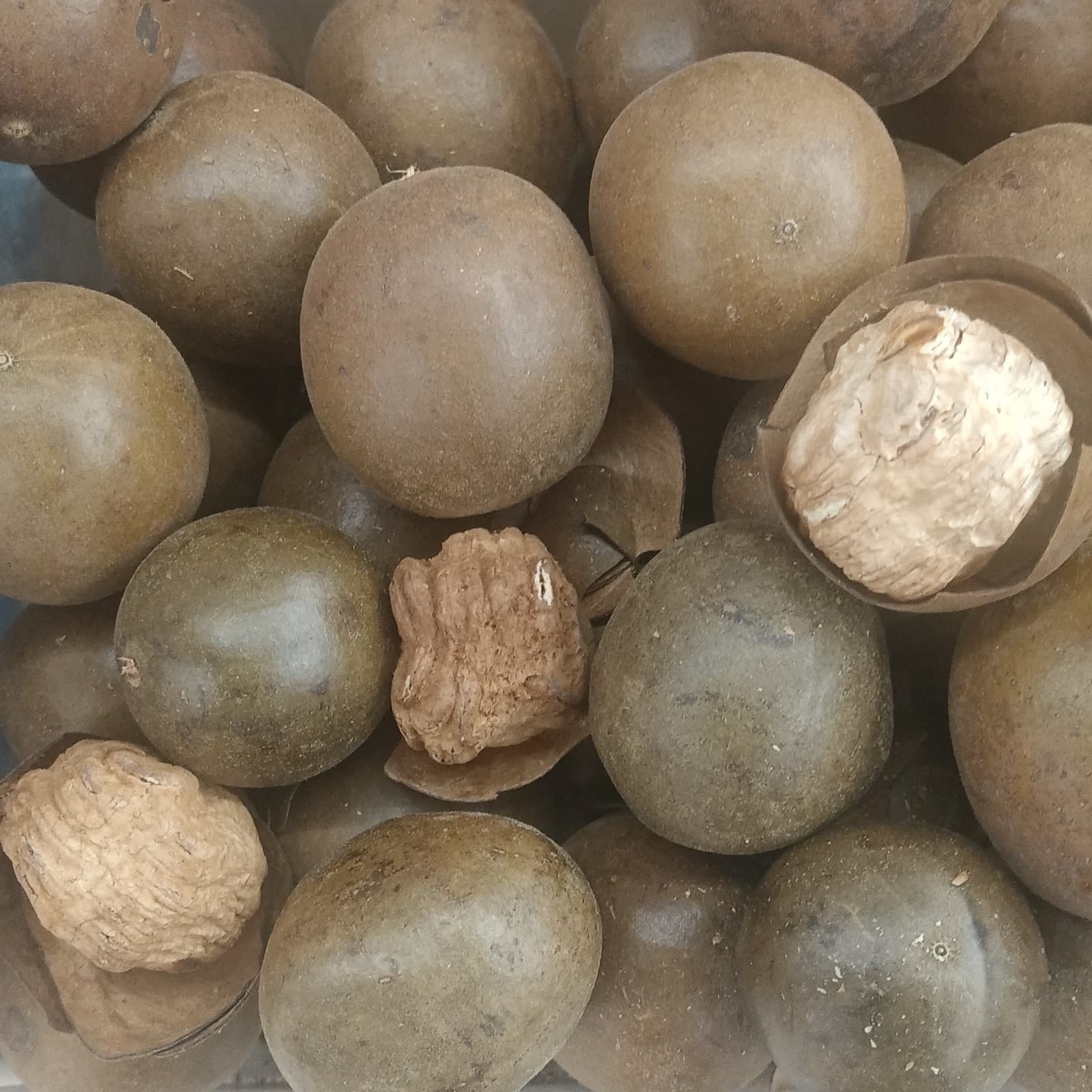
High in the karst mountains of Guangxi province in southern China, there's a fruit the size of a tennis ball that's been growing wild for centuries. The locals call it luo han guo. Buddha's fruit. The story goes that 13th-century monks in those mountains used it as medicine, and travellers said they could spot a monastery from a distance by the unmistakable sweet smell drifting through the misty valleys.
The fruit is monk fruit. And eight hundred years later, it's the reason a generation of people are walking away from sugar.
The 13th-Century Story
The earliest written record of monk fruit goes back to the 1200s, when Buddhist monks in the Guilin region were already cultivating it. They used it for sore throats, coughs, and what the texts call "heat in the lungs", what we'd now call respiratory inflammation.
The fruit was named after the Luo Han monks who cultivated it. For 700 years it stayed regional, too perishable to transport, too tedious to harvest, mostly known only in southern China and parts of Vietnam.
It took until the late 1900s for Western food scientists to isolate what made it so absurdly sweet. The molecule wasn't sugar. It was something they'd never seen before.
What's Actually Inside It
The sweet compounds in monk fruit are called mogrosides. They're a family of triterpenoid glycosides, large, complex molecules that taste sweet to your tongue but don't behave like sugar in your body at all.
The most active one, mogroside V, is roughly 250 times sweeter than sucrose by weight.
What makes mogrosides special isn't just their sweetness. It's what your body does (or rather, doesn't do) with them:
- They're not absorbed in the small intestine, they travel intact to the colon.
- Gut bacteria break some down, but the metabolites are excreted, not used for energy.
- They don't trigger an insulin response.
- They don't get stored as fat.
- They actually have antioxidant activity, which is unusual for a sweetener.
How It Compares to Other Sweeteners
| Sweetener | Source | GI | Aftertaste |
|---|---|---|---|
| Sugar (Sucrose) | Cane / beet | 65 | None |
| Aspartame | Synthetic | 0 | Metallic |
| Sucralose | Synthetic (from sugar) | 0 | Slight chemical |
| Stevia | Plant leaf | 0 | Bitter, liquorice-like |
| Monk Fruit | Fruit (luo han guo) | 0 | Clean, fruity |
The aftertaste column is the underrated story. Most sugar substitutes work in lab tests but fail in real chai. Monk fruit is the one that doesn't.
Is It Safe? What the Research Actually Says
This is the question I get most. Short answer: yes, very. Monk fruit extract has FDA GRAS (Generally Recognized As Safe) status since 2010, and has been approved by food regulators in the US, EU, Canada, Australia, Japan, and China. The FSSAI in India approved it in 2022.
The longer answer: monk fruit has been studied for cytotoxicity, reproductive safety, allergenicity, and chronic use. No upper daily limit has been set because no toxic dose has been found, even at extraordinarily high intakes.
Compare that to aspartame, which the WHO's IARC classified as "possibly carcinogenic" in 2023, and the safety case for monk fruit gets even cleaner.
Why It's Taken So Long to Reach Indian Kitchens
Three reasons.
One: monk fruit doesn't grow in India. Almost all of it still comes from a 400 km stretch of mountains in Guangxi. The supply chain to extract and ship it is complicated.
Two: price. Pure monk fruit extract is one of the more expensive sweeteners to produce. The blends that hit a reasonable price point usually combine it with erythritol, a sugar alcohol that bulks it up and balances sweetness.
Three: India's regulatory clearance only came through in 2022. Until then, brands selling monk fruit had to label it carefully and faced import restrictions.
By 2025 all three barriers softened. Indian D2C brands started bringing it in. That's the moment monk fruit went from "thing my US-returnee cousin uses" to something you can buy on Amazon India.
How to Actually Use It
The MonkSugar Story
This brand exists because I got tired of the alternatives.
I watched my father develop type-2 diabetes. I watched the cost of his medications climb every year. I switched our family chai to artificial sweeteners and hated the taste. I tried stevia and gave up after a week.
When I started studying monk fruit seriously, first as a clinician, then as someone trying to find something I'd actually keep in my own kitchen. I realised India didn't have a brand making it accessible. Either you imported expensive boutique pouches, or you got bulk industrial-grade extract with no quality control.
MonkSugar is monk fruit extract blended with erythritol at a 1:1 sweetness ratio with sugar. No artificial flavours. No bulking agents besides the erythritol. Tested for purity, dissolves in hot chai instantly, heat-stable for cooking. A 250g pouch lasts a 4-person tea-drinking household about 6-8 weeks.
It costs more than sugar. It will probably always cost more than sugar. That's just what extracting mogrosides from a tropical fruit costs.
But it costs less than a single endocrinologist visit. And exponentially less than the 30 years of medication waiting at the other end of your sugar habit.
That trade, about ₹5 a day for the same sweet chai with zero pancreatic stress, felt worth building a company around. See the range here.
This article is for educational purposes only and does not constitute medical advice. Individual results vary; discuss dietary changes with your physician.