Jaggery vs White Sugar vs Monk Fruit: A Glycemic Index Showdown (With Real Numbers)
Your dadi swore by gur. Your doctor told you to cut sugar. Then someone said try monk fruit. We put all three through the glycemic index test, here's exactly what each one does to your blood sugar, and which one your pancreas will thank you for.
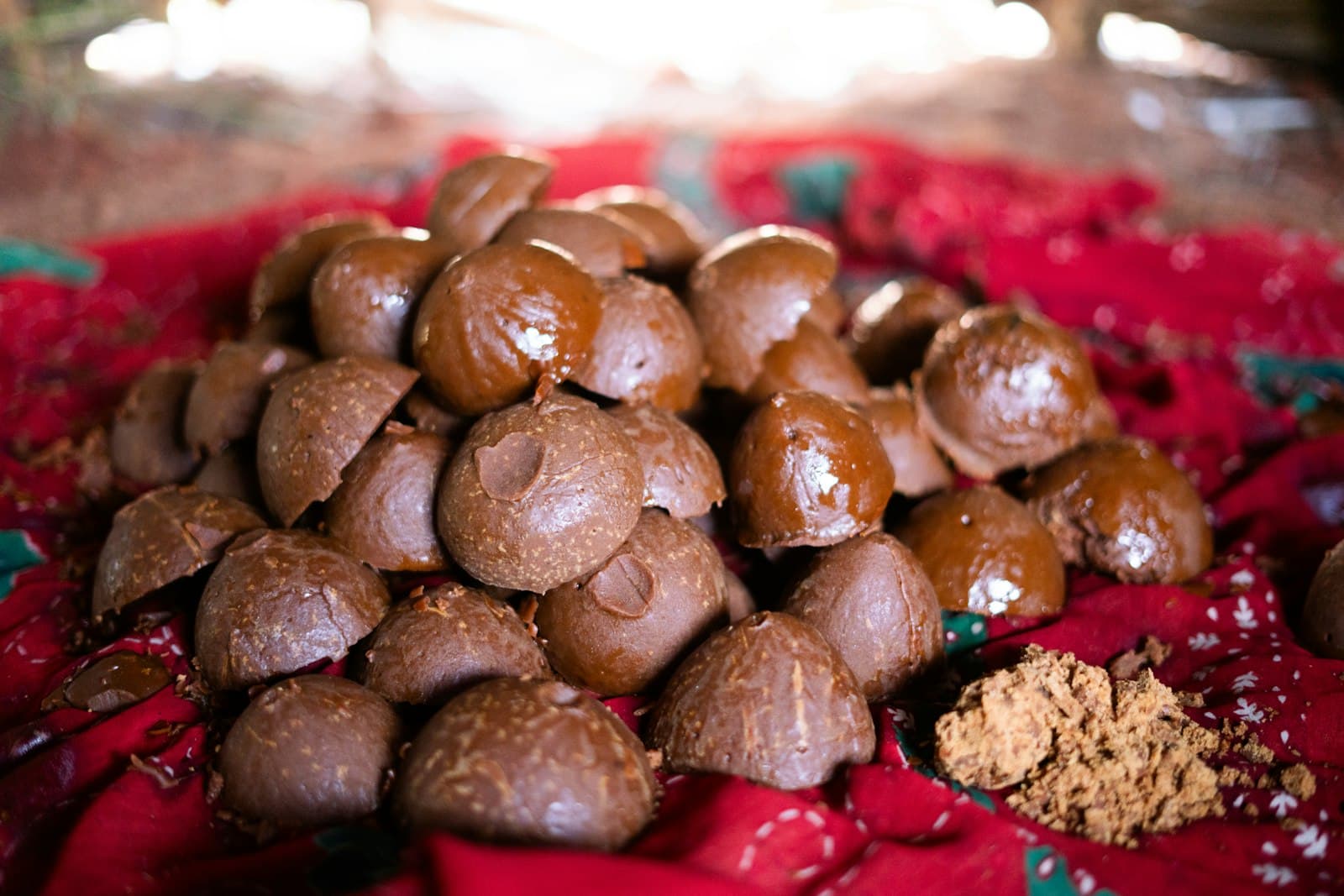
It's a small ritual every Indian household repeats. You buy gur from the pansari, break a piece off, dissolve it in warm milk for the kids. "Healthier than sugar," your mother says. Your aunty agrees. Your in-laws agree. Even the WhatsApp forwards agree.
And yet, when I put a gur eater and a refined sugar eater on a continuous glucose monitor for a week, same body weight, same daily routine, same chai count, the gur eater's blood sugar spiked higher.
The whole "natural sugar is fine" idea is a comfortable myth. Let's actually look at what these three sweeteners do to your body, one number at a time.
What Glycemic Index Actually Means
Glycemic index (GI) is a score from 0 to 100 that tells you how fast a food turns into glucose in your blood. Pure glucose = 100. Water = 0.
The "spike" matters because every time blood sugar shoots up, your pancreas dumps insulin to bring it back down. Do that 8-12 times a day for 20 years, and your cells stop listening. That's how insulin resistance becomes prediabetes becomes diabetes.
So the question isn't "is it natural?" The question is: how steeply does it spike me?
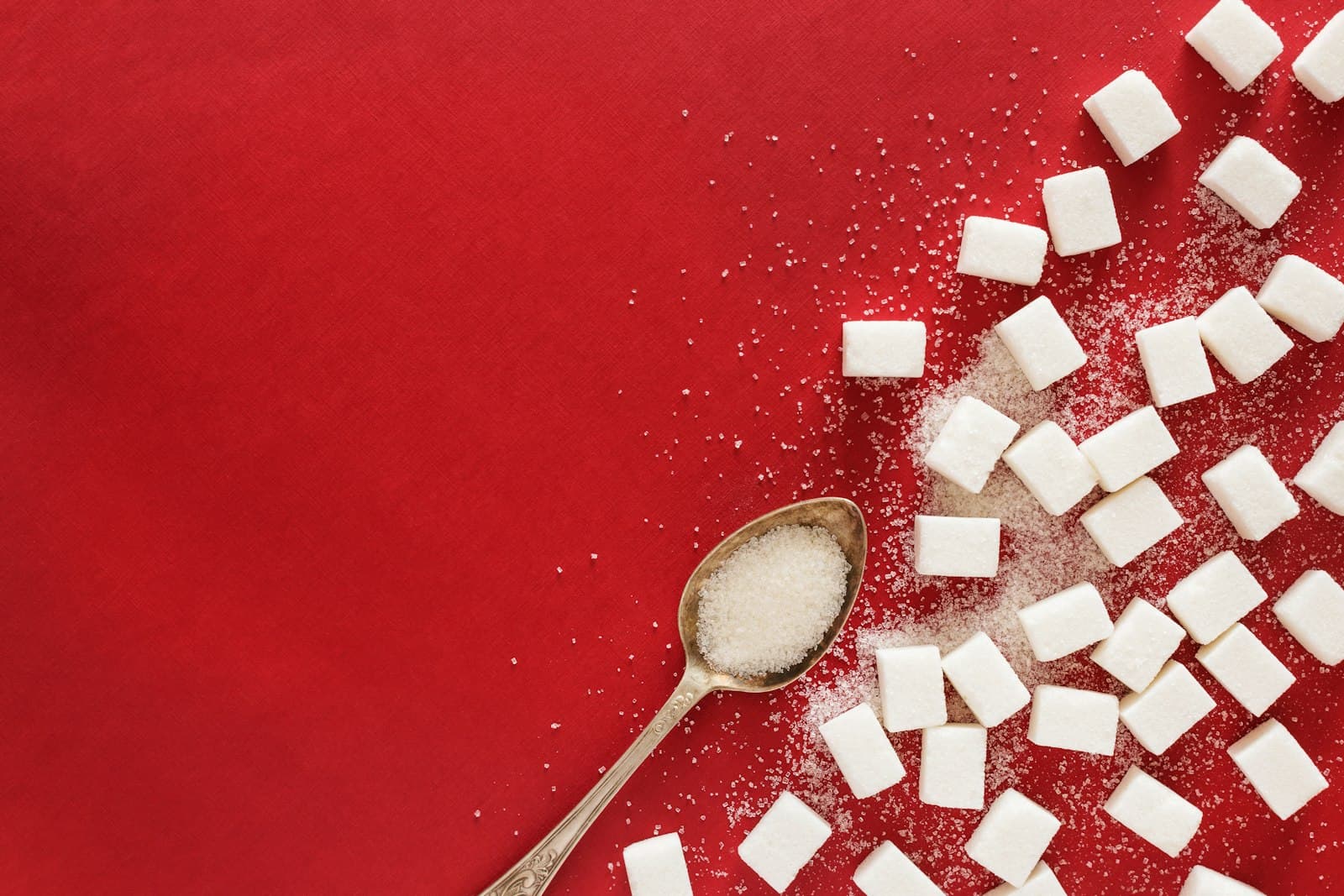
White Sugar: GI 65 (Sucrose)
One molecule of glucose + one molecule of fructose. Your gut splits it in seconds. Glucose hits your blood immediately. Fructose goes to your liver, where excess gets converted to fat.
What people forget: it's not the worst on the list. It's just relentless. Two spoons in your morning chai + biscuits at 4 + dessert after dinner = three glucose spikes a day, every day, for decades.
Jaggery: GI 84 (The Myth Buster)
Here's the part that breaks every household assumption. Jaggery (gur) has a higher glycemic index than refined sugar. Studies from the Indian Council of Medical Research and several glycemic index databases place gur between 75 and 84, depending on processing.
Why? Gur is mostly sucrose too, same glucose-fructose molecule as sugar. The bigger crystal structure and slightly higher fructose ratio actually makes it digest faster in many people.
Yes, jaggery has trace iron, magnesium, and some antioxidants. But to get a meaningful dose of iron from gur, you'd have to eat about 200g a day, roughly 800 calories of sugar. The trade-off makes no sense.
The doctor's note: If you switched from sugar to gur for health reasons, you've changed exactly nothing. Your pancreas can't tell the difference.
Monk Fruit: GI 0
This is where the conversation gets interesting. Monk fruit (luo han guo) gets its sweetness from compounds called mogrosides. They taste 200-300x sweeter than sugar, but your body doesn't recognize them as sugar at all. They pass through largely unmetabolized.
Translation: your blood sugar doesn't move. Your insulin doesn't move. No spike, no crash, no after-lunch slump.
I'll add the caveat I add for every patient: "zero impact on blood sugar" doesn't mean "eat unlimited sweets". The sweet taste itself can still affect some hormonal pathways. But compared to GI 84 jaggery? It's not a contest.
The Live Comparison
| Sweetener | GI | Calories / tsp | Verdict |
|---|---|---|---|
| Jaggery (Gur) | 84 | 15 | Worst spike. Trace minerals don't justify it. |
| Honey | 61 | 21 | Slightly better than sugar. Still spikes. |
| White Sugar | 65 | 16 | The baseline. Cumulative damage. |
| Coconut Sugar | 54 | 15 | Marginally better. Same calories. |
| Stevia | 0 | 0 | Bitter aftertaste, herbal note. |
| Monk Fruit | 0 | 0 | Clean sweetness. No spike. Closest to sugar's taste. |
"But Sugar Tastes Better"
It does. For about a week. Then your tongue recalibrates.
I tell every patient the same thing: give your taste buds 10-14 days. The receptors that respond to sweetness are constantly resetting. Most people who switch never go back, not because the alternative is identical, but because they realise how cloying sugar actually was.
When Does This Matter Most?
If you're under 30 with normal HbA1c and no family history, swapping sugar for monk fruit gives you a 30-year head start. The damage is cumulative, every spike you don't have today is one your pancreas isn't paying for in 2055.
If you're prediabetic (HbA1c 5.7-6.4) or have a family history of diabetes / PCOD / heart disease, this isn't optional. The difference between GI 84 and GI 0 across 30 years of daily chai is roughly the difference between needing insulin and not.
If you have type-2 diabetes already, monk fruit is the sweetener most endocrinologists recommend. Always run major dietary changes by your physician.
The Switch, In Real Life
You don't have to throw out the gur. You replace the daily defaults, your chai sugar, your coffee sugar, your kheer/halwa/payasam sweetener at home, and let mithai stay an occasional treat.
MonkSugar uses a monk-fruit + erythritol blend, sweetens at a 1:1 ratio with sugar, dissolves in hot chai with no aftertaste, and is heat-stable for cooking. It costs more per gram than sugar, but a 250g pack lasts a 4-person family roughly 6-8 weeks of chai. That's about ₹5 per day of "real sugar taste, zero spike".
One household swap. The same chai ritual. A pancreas that doesn't go through 90 daily glucose roller coasters.
Your dadi was right that "natural is better". She just didn't have the GI table.
This article is for educational purposes only and does not constitute medical advice. Discuss dietary changes with your physician, especially if you are diabetic or on glucose-modifying medication.