Chai Without Sugar: An Indian Tea Lover's Guide to Making the Switch
India drinks over 83 billion cups of tea a year - and nearly every cup has 2 teaspoons of sugar. This guide shows you how to break free from sugar in your chai without losing the taste, the ritual, or the joy.

There's a number I can't stop thinking about.
India drinks roughly 83 billion cups of tea a year. Two hundred and twenty million cups a day. And almost every single one has 2 teaspoons of sugar. Many have 3.
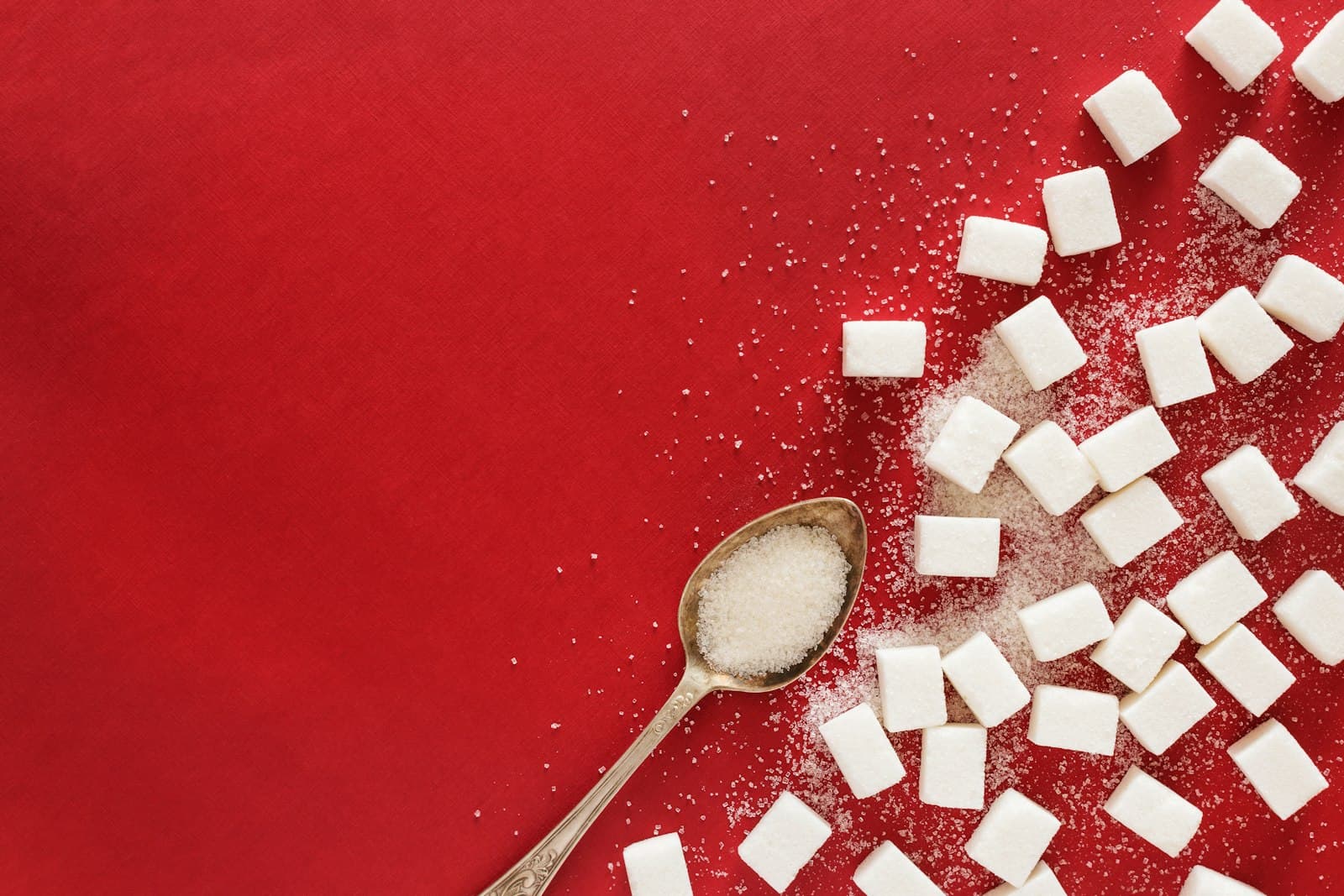
Do the maths for your family. I did it for mine: 4 people × 3 cups × 2 teaspoons × 365 days = about 36 kg of sugar a year. From chai alone. Thirty-six kilograms. That's the weight of a suitcase you'd struggle to lift at the airport.
And nobody thinks about it. Because it's just chai. It's just how we've always done it. Two teaspoons. Stir. Drink. Repeat.
I'm not here to tell you to give up chai. That would be insane. Chai is non-negotiable in India - it's the first conversation of the morning, the office reset button, the reason you open your door when someone visits. I drink 3 cups a day myself.
I'm here to talk about the 2 teaspoons. Because those 2 teaspoons, multiplied across a lifetime, add up to a genuinely terrifying amount of sugar. And getting rid of them is easier than you think.

Why Chai Tastes Weird Without Sugar (And Why That Feeling Is Temporary)
I know what you're thinking because I thought it too. "I tried cutting sugar from chai once. It was terrible. Never again."
There's a reason it tastes terrible. Three reasons, actually:
Indian tea is bitter. We use CTC tea - Crush, Tear, Curl - which is strong, astringent, and tannic. Sugar has been masking that bitterness your whole life. Remove it and your tongue goes "wait, what is this?"
Your brain is hooked on the combo. Caffeine + sugar triggers dopamine. That little buzz of satisfaction when you take the first sip? Part of it is the caffeine, but a meaningful part is the sugar hitting your reward system. Take the sugar away and the reward drops. Your brain registers this as "this chai is bad" when really it's just "this chai has less dopamine."
Your taste buds are calibrated to expect sweetness. After years of 2-teaspoon chai, your palate has a sweetness baseline. Anything below that baseline tastes "off." This is the important part: that baseline is not fixed. It recalibrates in 2-3 weeks. Two to three weeks. Not months. Not years. Weeks.
Every person I know who's successfully gone sugar-free in their chai says the same thing: the first week is uncomfortable, the second week is tolerable, and by the third week the old chai tastes too sweet.
It's not a permanent sacrifice. It's a 2-week adjustment.
Three Ways People Actually Do This
I've watched family members, colleagues, and friends try different approaches. What actually works and what doesn't, based on real humans, not theory.
The Gradual Method (most people should do this)
Week 1: 2 teaspoons: 1.5. Week 2: 1.5 to 1. Week 3: 1 to 0.5. Week 4: 0.5 to zero or natural sweetener.
The change is so slow that your palate adjusts between steps. Most people report not noticing the difference between weeks - and then being shocked when they try a regular 2-teaspoon chai after month-end. "How did I drink this?" is the typical reaction.
I did this method. It's boring. But boring methods that work beat exciting methods that last 3 days.
The Swap (fastest results)
Day one: replace sugar with a natural zero-calorie sweetener. Same sweetness, no sugar, no waiting.
Not all sweeteners work equally well in chai though:
| Sweetener | In Chai | Aftertaste? | My Take |
|---|---|---|---|
| Monk fruit | Clean, sugar-like | None | Closest to actual sugar chai. My recommendation. |
| Stevia | Sweet but slightly different | Bitter/metallic in some brands | Fine if you find a brand that works for you. Many people don't. |
| Aspartame (those tablet things) | Sweet but thin | Chemical. Lingering. | If you've tried these and hated them - that's aspartame, not "sugar-free." Natural options taste completely different. |
| Erythritol | Cooling, less sweet | Cooling sensation | Better for cold drinks. Not ideal for hot chai. |
The thing about chai specifically: ginger
The Spice-Forward Method (no sweetener at all)
This one takes the longest to adjust to - 4-6 weeks instead of 2-3 - but the endpoint is beautiful. You end up with chai that's more complex, more aromatic, and more interesting than anything you were drinking before.
The idea: increase ginger, cardamom, and cinnamon to compensate for the missing sweetness. These spices add warmth and perceived sweetness that fill the gap sugar leaves behind. After a month, you realise sugar was actually hiding flavours in your tea. Without it, you taste notes you never noticed - the earthiness of CTC, the warmth of ginger, the brightness of cardamom.
This is the method tea snobs land on. And I say that with love, because I'm one of them now.

Five Recipes (For Five Different People)
1. Classic Masala Chai, Sugar-Free
For: people who want their chai to taste exactly the same as before.
2 cups water + 1/2 cup milk. 2 tsp CTC tea. 1-inch ginger, crushed. 2 elaichi pods, cracked. 2-3 tsp natural sweetener.
Boil water with ginger and elaichi, 2 min. Add tea, simmer 1 min. Milk, rolling boil. Strain. Add sweetener.
The ginger-elaichi base is so aromatic you'll likely need less sweetener than you expect. Start with 1.5 tsp per cup and adjust.
2. Ginger-Tulsi Chai
For: people who want an immunity boost disguised as a beverage.
Same base. Add 8-10 fresh tulsi leaves and 2 crushed black peppercorns. Boil the tulsi for 3 minutes - it needs time to infuse properly.
Tulsi has this natural sweetness-warmth thing that compensates for missing sugar surprisingly well. Many people find they don't need any sweetener with this version. Try it without first. The pepper adds a back-of-the-throat warmth that's addictive.
3. Elaichi Chai with Almond Milk
For: people who want something a bit lighter and nuttier.
1.5 cups water + 1 cup unsweetened almond milk. Tea. 3 elaichi pods. 1 small cinnamon stick. 1-2 tsp sweetener.
Almond milk adds a subtle nutty sweetness that pairs ridiculously well with cardamom. Lighter body than dairy chai - more delicate. This won't satisfy hardcore chai purists, but it'll win over anyone looking for something new.
4. Mulethi Chai (Zero Sweetener Needed)
For: people who don't want to use any sweetener at all.
Same base. Add 1 small piece mulethi (licorice root), roughly broken, along with ginger and elaichi. Boil 3-4 minutes - mulethi takes time to release its sweetness.
This is the magic recipe. Mulethi is naturally 50 times sweeter than sugar. A small piece in your chai gives you genuine sweetness without adding anything. Buy it at any pansari or Indian grocery store. Costs almost nothing.
One caveat: mulethi in large amounts can affect blood pressure. Stick to a small piece (1-2 cm) per pot. If you have hypertension, check with your doctor first.
5. Cinnamon-Cardamom Chai (The One That Converts People)
For: sceptics who think sugar-free chai can't be good.
Same base. Add 1 cinnamon stick (2-inch), 3 elaichi pods, 2 cloves, 1-inch ginger - all lightly crushed together. Boil 3-4 minutes. Let the cinnamon really steep.
This is the recipe I make when someone visits and I want to quietly demonstrate that sugar-free chai doesn't mean sad chai. The combination of cinnamon + cardamom + cloves creates such depth that sugar feels unnecessary. It's also the most aromatic chai your kitchen has ever produced - the whole house smells like it.
I have converted 4 people with this recipe. None of them asked for sugar.

Switching Your Whole Family (The Hard Part)
Making the switch yourself is one thing. Getting your spouse, parents, kids, and visiting relatives on board is the real project.
Weeks 1-2: Don't Say Anything
Just reduce the sugar by 25%. From 2 teaspoons to 1.5 per cup. Most people won't notice the difference. This isn't deception - it's calibration. If nobody complains, you haven't changed enough to trigger resistance.
Weeks 3-4: The Conversation
At 1 teaspoon, someone might notice. Frame it as trying a new recipe, not removing something. "I'm experimenting with a more spiced chai" goes down much better than "I'm cutting your sugar intake." Introduce the cinnamon-cardamom recipe. People are more open to trying something new than giving something up.
Weeks 5-6: Done
By now, taste buds have adjusted. Complete the switch. Most family members will have adapted without a fight. And when someone accidentally makes a regular 2-teaspoon chai, the whole family will find it too sweet. That's the moment you know it's permanent.
Guests
Indian hospitality is non-negotiable. Three options:
- Serve your sugar-free chai confidently. Most guests won't comment. Some will like it better.
- Keep a small sugar jar on the tray. Anyone who wants can add their own. No awkwardness.
- Serve the cinnamon-cardamom version (Recipe 5). Guests will compliment the chai. They won't ask about the sugar.
Chai Outside Home
The tapri. The office machine. The railway cutting chai. Harder to control. Some practical moves:
- Office: carry a small container of your sweetener. Add to unsweetened chai from the machine.
- Tapri: "Bhaiya, thoda kam cheeni." Most will do it. Some will look at you funny. That's okay.
- Keep a few single-serve sweetener sachets in your bag. Weighs nothing, saves everything.
What You Actually Get (Besides Saved Sugar)
This isn't just about the 9 kg of sugar per year (though that alone should be enough). What people report after the switch:
- No more energy crashes. Sugar chai gives you a glucose spike at 8 AM and a crash at 9:30. Sugar-free chai gives steady caffeine without the rollercoaster. You'll notice the difference in your first meeting of the day.
- Your teeth will thank you. Hot sugar liquid is basically an acid bath for your enamel. Every sugary cup is a dental micro-disaster.
- The weight maths are wild. 9 kg of sugar = ~36,000 calories/year = roughly 5 kg of body fat. Eliminated through a single habit change. No gym. No diet. Just different chai.
- You'll taste tea properly for the first time. This surprised me most. Without sugar, you start noticing the actual tea - earthy Assam notes, malty CTC character, the brightness of spices. Sugar was muting everything. Removing it is like cleaning a dirty window.
- For diabetics: it's freedom. For the 21+ crore Indians managing diabetes, zero-GI chai means no glucose spike. Three cups a day, zero impact. That's not a small thing. That's chai without guilt, without calculation, without compromise.
You don't need to read another article about this. You don't need to research more. You need to make one decision: tomorrow morning's chai will have a little less sugar than today's.
That's it. One cup. One quarter teaspoon less. Tomorrow.
The ritual stays. The warmth stays. The morning stays exactly what it is.
The sugar goes. And 9 kg a year never enters your body again.

Keep reading:
- 7 Health Trends Reshaping India in 2026
- Sugar-Free Indian Kitchen Guide
- The Indian Morning Wellness Routine
- MonkSugar vs Stevia: Which Works Better in Chai?
- The Science Behind Monk Fruit
- Try MonkSugar in Your Chai

MBBS, Health & Wellness Writer
Sources: Tea Board of India Annual Report, Indian Tea Association, WHO Sugar Intake Guidelines, ICMR Dietary Guidelines for Indians (2024).