7 Health Trends Reshaping India in 2026: What They Mean for Your Family
India is in the middle of a wellness revolution. From functional foods replacing junk to the sugar-free movement gaining momentum, these 7 health trends are reshaping how Indian families think about food, fitness, and daily habits in 2026.

Go to any D-Mart or Reliance Fresh in a Tier-2 city today - not Mumbai, not Bengaluru, but Indore, Jaipur, Coimbatore - and look at what's happening to the health food aisle. Two years ago it was a sad little shelf with some protein bars nobody bought. Now it's eating into the biscuit section's territory.
Millet cookies next to Parle-G. Cold-pressed juice where Frooti used to be. Sugar-free labels on things your mother wouldn't recognise. Something's going on.
I've been watching this shift for a while now, and 2026 feels different from the usual "wellness trend" noise we get every January. This one has legs. Here are 7 changes I'm seeing that actually matter - not the Instagram-wellness fluff, but real shifts in how Indian families are eating, drinking, and thinking about food.
1. Millets Are No Longer "Gareebon Ka Khaana"
My grandmother in Vidarbha ate jowar roti every single day of her life. She never called it a superfood. It was just... roti.
Then somewhere along the way, polished rice and refined wheat won, and millets became the thing your poor relatives in the village ate. The UN declared 2023 the International Year of Millets (India pushed hard for that), and suddenly - suddenly - the same jowar roti was being sold at 3x the price in organic stores in Bandra.
The hype could have died. It didn't. By 2026, millets have quietly gone mainstream. Not in the Instagram-influencer way, but in the "my local kirana now stocks ragi flour" way. Millet dosa batter in pouches. Millet upma ready mixes. Even baby food brands jumping in. FSSAI pushing millet inclusion in school mid-day meals sealed it - when the government gets involved, you know it's not going away.
If your family hasn't tried this yet, start easy. Ragi dosa one Sunday morning. Jowar roti instead of wheat, twice a week. The fibre alone is worth it - most of us are getting less than half what we should.

2. People Are Asking "What Does This Food Do For Me?"
This is subtle but massive. Five years ago, food choices in Indian households were driven by taste and tradition. "Mummy ne banaya hai, kha lo." End of discussion.
Now there's a new question creeping in: does this actually help my body?
Turmeric lattes are just haldi doodh with better marketing - but the fact that young professionals in Pune are ordering them at cafes tells you something. Kombucha brands like Atmosphere and Bombucha are growing fast. And chaach - plain old buttermilk - is getting a redemption arc as "India's original probiotic."
You don't need to spend money on fancy functional foods. Your grandmother's haldi doodh before bed? Functional. Chaach after a heavy lunch? Functional. Mulethi in your evening tea? Functional. We had this stuff figured out. We just forgot and replaced it with Bournvita.
3. The Sugar-Free Thing Is Getting Serious
I'll admit, I used to roll my eyes at the "sugar-free" movement. It felt like a rich-people problem, something for South Delhi aunties and Keto bros.
Then I looked at the numbers. Over 21 crore Indians with diabetes. Another 15+ crore prediabetic. And the average Indian eating roughly double the WHO sugar limit daily - not from obvious sweets, but from ketchup, bread, breakfast cereals, and those 3 cups of chai.
What's changed in 2026 isn't awareness (everyone knows sugar is bad) - it's that the alternatives have finally gotten good. Earlier, "going sugar-free" meant popping those terrible aspartame tablets into your tea and pretending it tasted fine. Now there are natural zero-calorie options that actually taste like sugar. Monk fruit, allulose - stuff that doesn't leave that weird chemical aftertaste.
FSSAI's front-of-pack labelling push is helping too. When you can see at a glance that your "healthy" granola has 15g of sugar per serving, it hits different.
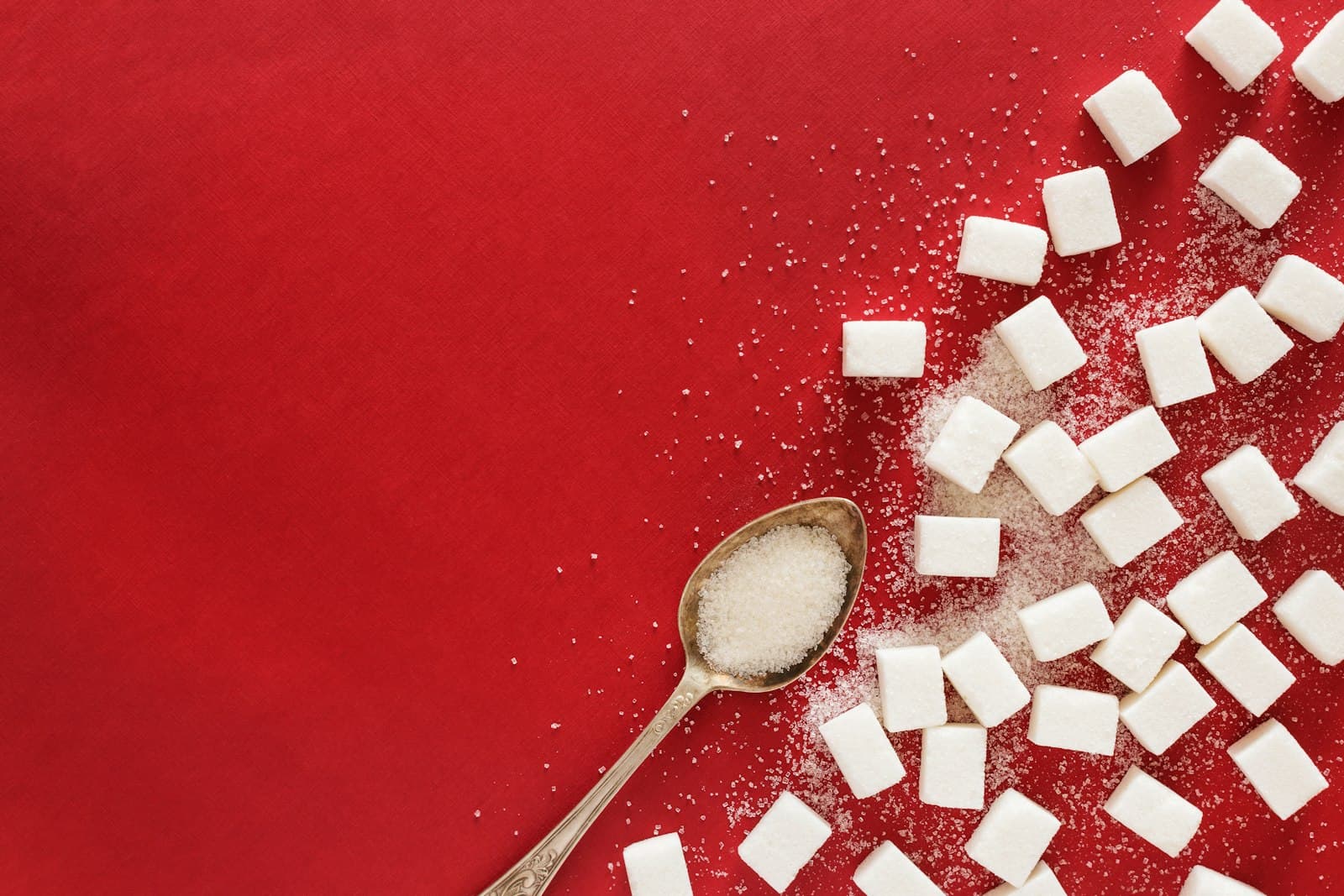
My honest take: if you change nothing else, change your chai. 3 cups a day × 2 teaspoons = 8-13 kg of sugar per year, per person. Just from tea. A natural sweetener swap handles that overnight. Everything else is bonus.
- → "Sugar-free = tasteless"
- → Only diabetics cared
- → 2 brands in D-Mart
- → ₹500+ per pack
- → "Sugar-free = smart choice"
- → Young families leading
- → 40+ brands everywhere
- → ₹150 options available
4. Desi Protein Is Having Its Moment
The gym-bro obsession with imported whey protein always struck me as a bit absurd when we have sattu.
Sattu - roasted gram flour - has been fuelling labourers in Bihar and UP for centuries. A single glass gives you 20g of protein and costs less than ₹15. But because it didn't come in a shiny tub with a bodybuilder on it, gym-going Indians ignored it for years.
That's changing. Plant-based protein in India isn't trying to be fake meat burgers (which, honestly, nobody here was asking for). It's building on sattu, sprouted moong, soy chunks, paneer, chana, rajma. Indian brands are making protein-fortified atta and high-protein dosa mixes that don't taste like cardboard.
Most Indians are protein-deficient - studies say 70% of us. Not because protein doesn't exist in Indian food, but because our plates are 70% carbs and 10% protein instead of the other way around. Adding peanuts to your poha, an extra katori of dal, or a glass of sattu in the morning - these tiny changes matter more than any supplement.

5. Mental Health Is Finally Part of the Conversation
This one's personal.
Growing up in an Indian household, the prescribed treatment for anxiety was "positive socho" and the cure for burnout was "adjust karo." Mental health was something that happened to other people, in other countries.
2026 feels genuinely different. Corporate India - not the progressive startups, the actual corporate India - has wellness programmes with mental health support now. Indian-built apps like Wysa and Amaha are seeing record numbers. Schools are introducing emotional wellness modules. And maybe most importantly, middle-class families are starting to talk about it without shame.
The gut-brain connection is becoming common knowledge too - how your digestive health affects your mood and anxiety. It's driving real interest in probiotics, fermented foods, and anti-inflammatory eating.
If you're sorting out your family's diet and exercise but ignoring stress and emotional health, you're working with an incomplete picture. Even 10 minutes of screen-free quiet time daily - as a family, no phones, no TV - makes a measurable difference.
6. Nani Was Right About Everything (Science Is Catching Up)
Haldi doodh for a cold. Tulsi kadha for cough. Triphala for digestion. Ajwain water for bloating.
Your grandmother didn't call these "Ayurvedic interventions." She just called them common sense. And for a while there, a whole generation dismissed them as old-fashioned superstition.
Research is validating her, steadily and quietly. Ashwagandha's cortisol-reducing effects? Peer-reviewed. Turmeric's curcumin for inflammation? Hundreds of studies. Giloy for immunity? Documented. This isn't about blind faith replacing medicine - it's about recognising that traditional knowledge and modern science don't have to be enemies.
The practical move: just bring back one thing from your grandmother's playbook. Tulsi tea in the evening. Haldi doodh when someone's under the weather. Ajwain water after a heavy meal. You probably have these ingredients in your kitchen already.

7. "What's In This?" Is the Most Powerful Question in India Right Now
Instagram food influencers have done something interesting - they've turned ingredient-list reading into entertainment. Someone picks up a "healthy" product on camera, flips it over, reads the ingredients, and watches the comments explode.
That's the clean label movement, and it's massive. Indian consumers are rejecting products with ingredient lists that read like a chemistry exam. They want fewer ingredients, no artificial junk, and honest labelling.
FSSAI's upcoming Health Star Rating system will accelerate this. Imagine a Maggi packet with a 2-star health rating displayed right on the front. That changes the game.
Simple rule for your family: if the ingredient list has more than 7-8 items, or includes things you can't pronounce, maybe put it back on the shelf. Your nani's kitchen didn't need emulsifiers and stabilisers. Neither does yours.
So What Do You Actually Do With All This?
I know - 7 trends is a lot. Nobody's overhauling their entire life this weekend. So What I'd suggest, in order of impact:
- Read the labels on 3 things in your pantry this week. Just check the sugar. That's it. You'll be annoyed at what you find, and annoyance is a great motivator.
- Switch one grain. One roti made with jowar or bajra instead of wheat. Once a week. That's the entry point.
- Fix the chai. This single swap - sugar to a natural alternative - eliminates kilos of sugar annually. Literally the highest ROI health change you can make.
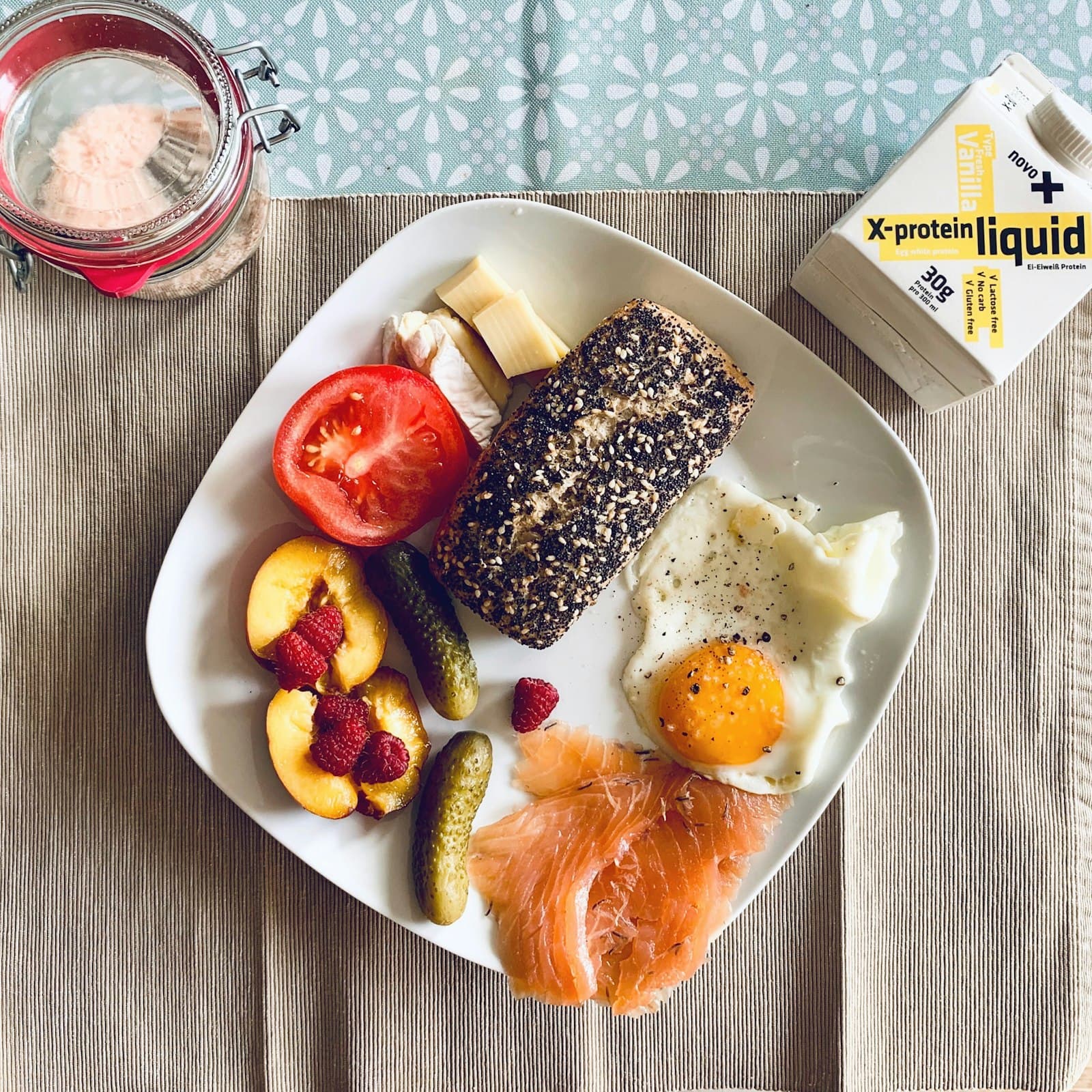
- Add protein, don't subtract carbs. Don't fight the roti-rice base. Just add peanuts, dal, paneer, or an egg alongside it. Protein addition > carb restriction.
- Bring back one nani remedy. Tulsi tea. Haldi doodh. Jeera water. Pick one.
- 10 minutes of silence daily. No phone. No TV. Just... nothing. Harder than it sounds. More powerful than you'd expect.
- Swap one packaged snack for a real one. Makhana for chips. Roasted chana for glucose biscuits. Done.
Pick two from this list. Just two. Start this week. The compound effect of small daily changes beats any dramatic diet that lasts till Thursday.
India's health crisis is real. But so is this shift. And it's not being driven by celebrity endorsements or imported supplements - it's families in Nagpur and Lucknow and Salem quietly deciding that they deserve better than what the packaged food industry has been selling them.
That's a revolution worth joining.
Keep reading:
- The Complete Guide to a Sugar-Free Indian Kitchen
- The Indian Morning Wellness Routine: 6 Habits That Actually Work
- How Does MonkSugar Compare to Other Sweeteners?
- Understanding Zero Glycemic Index

MBBS, Health & Wellness Writer
Sources: WHO Global Report on Diabetes, ICMR-INDIAB Study (The Lancet Diabetes & Endocrinology, 2023), FSSAI Annual Report (2023-24), National Family Health Survey (NFHS-5), ICMR Dietary Guidelines for Indians (2024).