
MonkSugar vs Brown Sugar
Brown sugar has a healthy image. But is it actually better than white sugar — or is it clever marketing? Here's the science.
Our Verdict
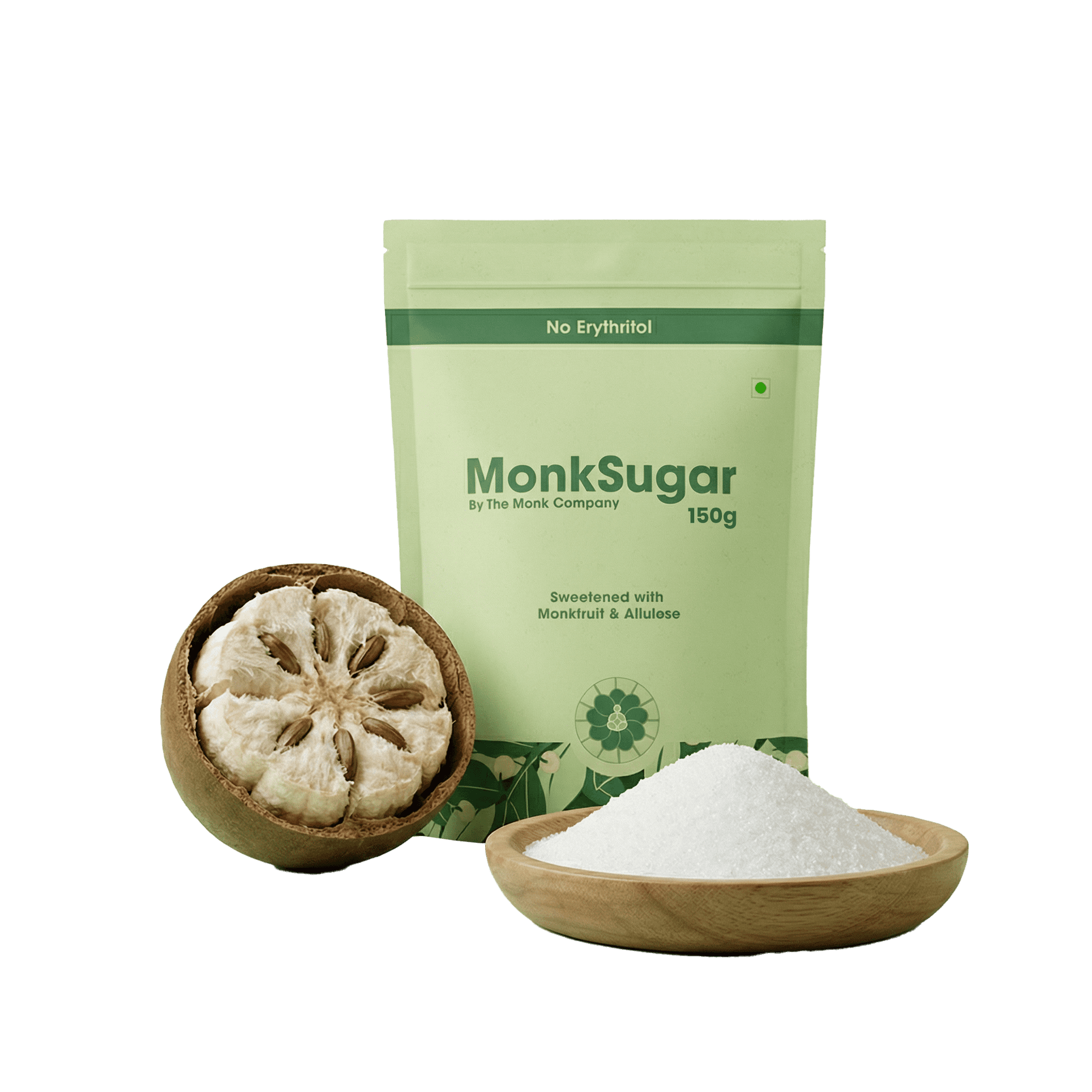
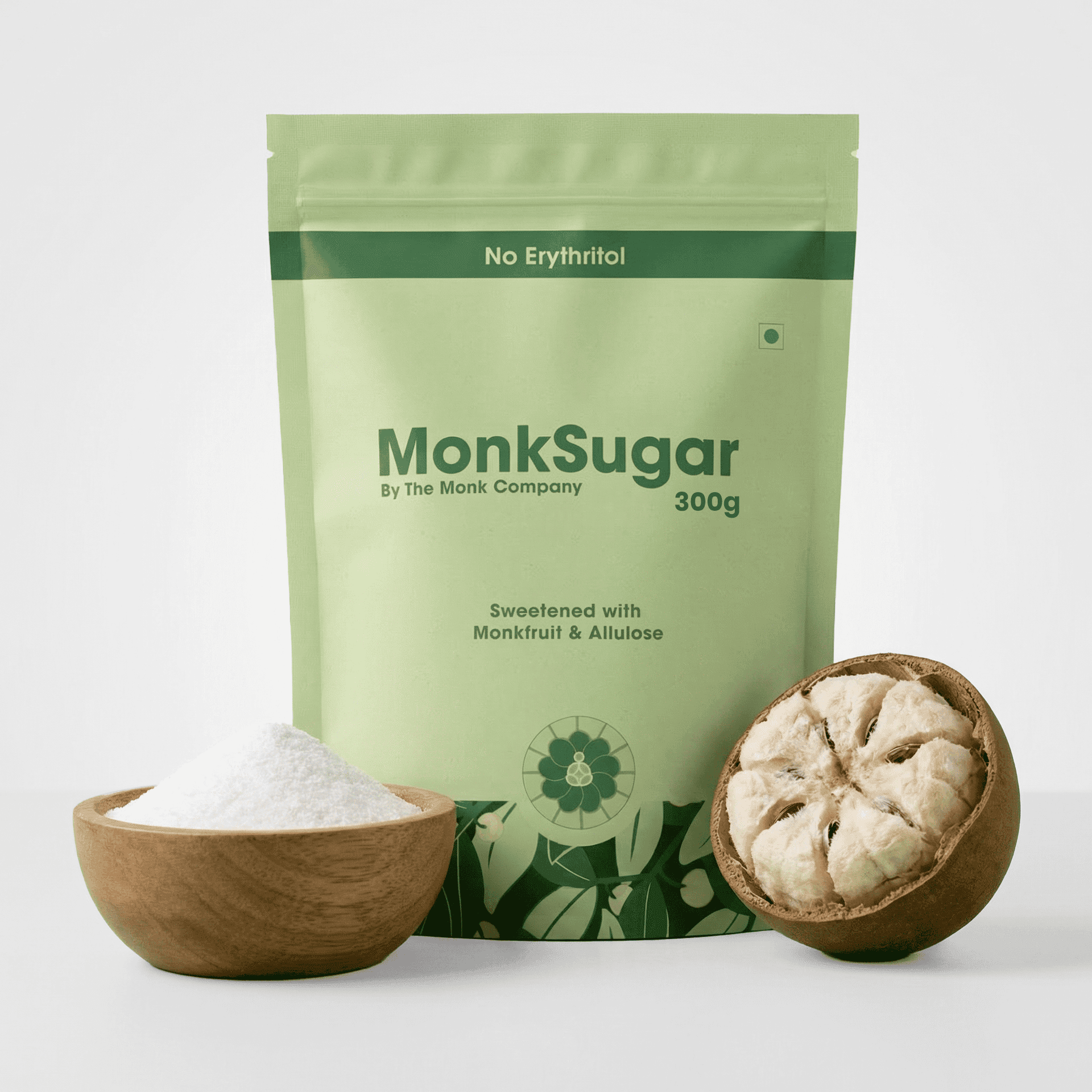
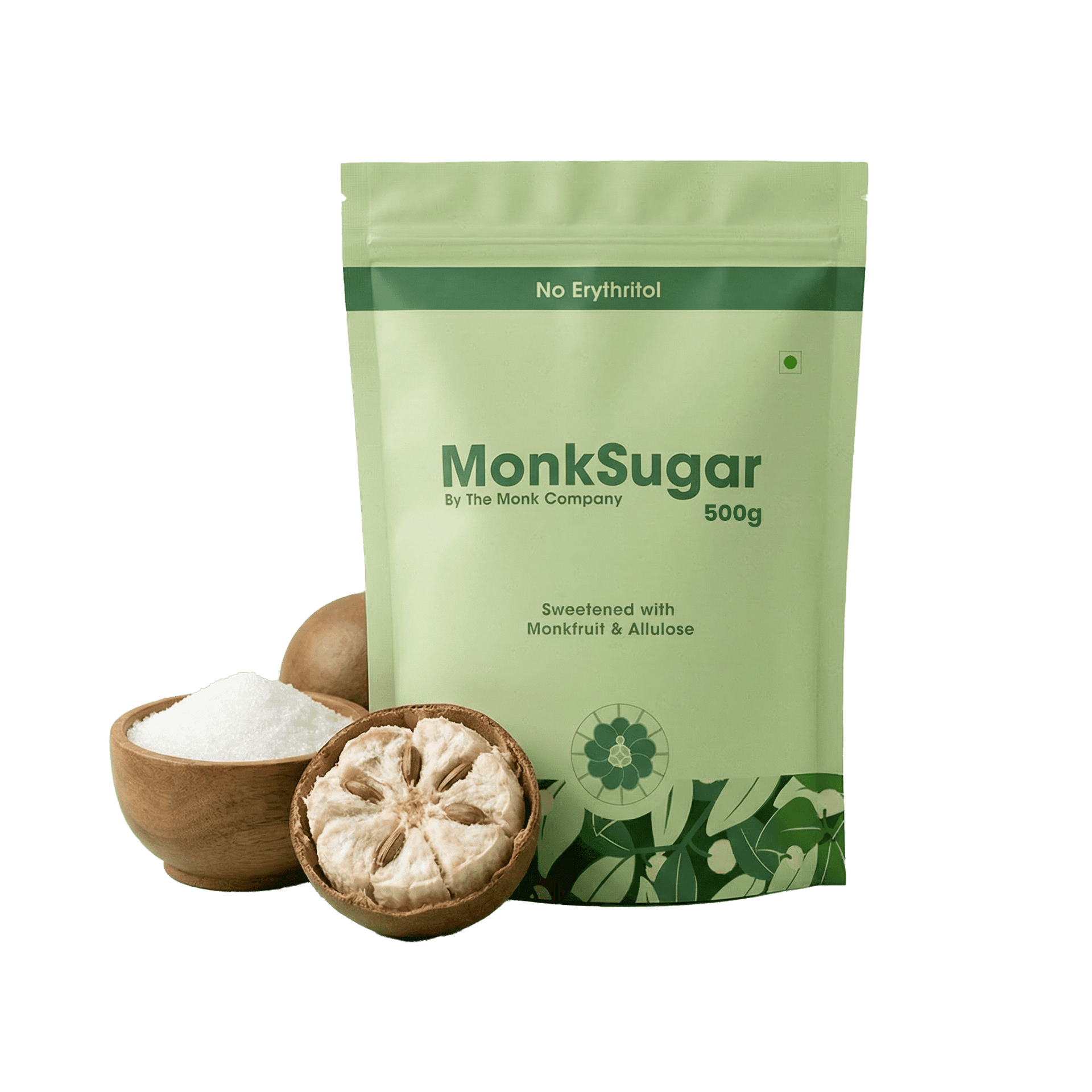
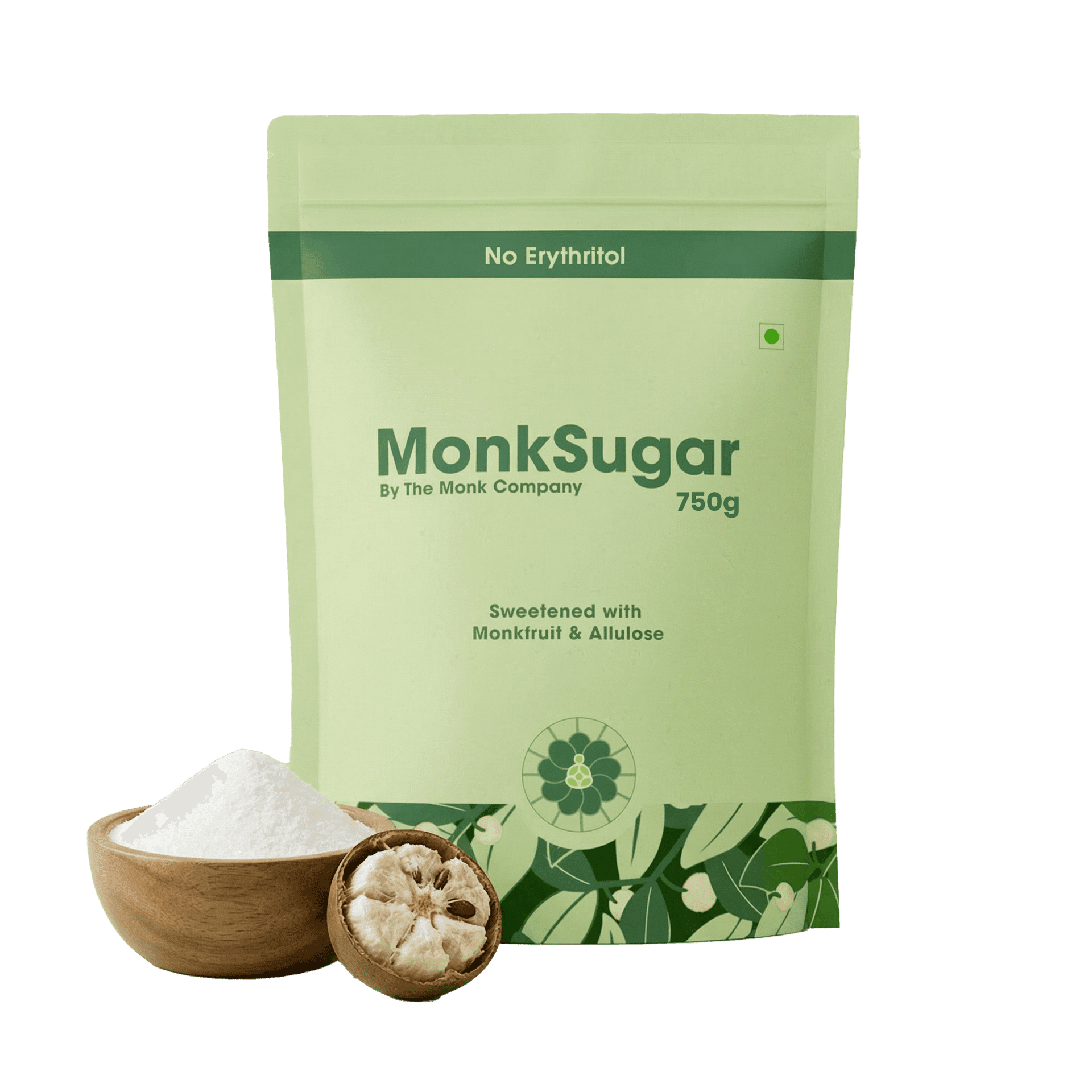
MonkSugar — brown sugar is just sugar with a tan
Brown sugar is essentially white sugar with a small amount of molasses added back. Its glycemic index (64) is virtually identical to white sugar (65), and it has similar calories. The trace minerals from molasses are nutritionally insignificant. For anyone seeking a genuinely healthier sweetener, MonkSugar (GI 0, zero calories) is the clear choice.
Detailed Breakdown
Blood Sugar Impact
MonkSugar wins. GI 0 vs brown sugar's 64. Brown sugar raises blood sugar almost exactly like white sugar.
Calories
MonkSugar wins. Zero calories vs 17 per teaspoon. No meaningful difference from white sugar.
Taste & Aftertaste
Different profiles. Brown sugar has a pleasant caramel/toffee note from molasses. MonkSugar has clean sugar sweetness. For recipes that specifically need molasses flavour, brown sugar wins.
Cooking & Baking
Tie. Both work well in cooking and baking. Brown sugar adds moisture to baked goods.
Safety & Health
MonkSugar wins. Brown sugar is NOT safe for diabetics — it raises blood sugar just like white sugar.
Value for Money
Brown sugar costs more than white sugar for essentially the same product. MonkSugar costs more but delivers genuinely different health outcomes.
Pros & Cons at a Glance
MonkSugar
100% Natural (Monk Fruit + Allulose)
Pros
- ✓Zero glycemic index — no blood sugar spike at all
- ✓Zero calories, zero carbs
- ✓Tastes like real sugar — no aftertaste
- ✓1:1 sugar replacement — no conversion math
- ✓Heat stable — works in cooking & baking up to 200°C+
- ✓Natural antioxidants (mogrosides)
- ✓FSSAI certified, FDA GRAS approved
- ✓Vegan, keto, and diabetic safe
Cons
- ✗Higher price than refined sugar
- ✗Not available offline in most cities yet
Brown Sugar
Processed (refined sugar + molasses)
Pros
- ✓Contains small amounts of molasses (trace minerals)
- ✓Slightly more complex flavour than white sugar
- ✓Works well in baking — adds moisture
- ✓Perceived as "healthier" (marketing advantage)
Cons
- ✗Nearly identical to white sugar nutritionally (GI 64 vs 65)
- ✗17 calories per teaspoon
- ✗NOT healthier than white sugar — it's just sugar + molasses
- ✗Not safe for diabetics
- ✗The "healthier" perception is a myth
- ✗More expensive than white sugar for negligible benefit
Frequently Asked Questions
No. Brown sugar is white sugar with a small amount of molasses added back. Its glycemic index (64) and calorie content (17 per tsp) are virtually identical to white sugar. The trace minerals from molasses are nutritionally insignificant.
.png&w=1920&q=75&dpl=dpl_B3LzNjVkhMqsgi6YT9Vg6jfZKEJs)
More Sweetener Comparisons
MonkSugar vs Stevia
MonkSugar wins for taste and ease of use
MonkSugar vs Sugar Free (Aspartame)
MonkSugar wins — natural, tastier, and cooks better
MonkSugar vs Jaggery (Gur)
MonkSugar wins for health; jaggery wins for traditional flavour
MonkSugar vs Honey
MonkSugar for daily sweetening; honey for occasional therapeutic use