The Post-Meal Walk: The Simplest Blood-Sugar Habit in the World
No equipment, no gym, no cost, just ten minutes on your feet after eating. The old Indian after-dinner stroll has real science behind it. Here is why timing beats intensity, and how to build the habit.
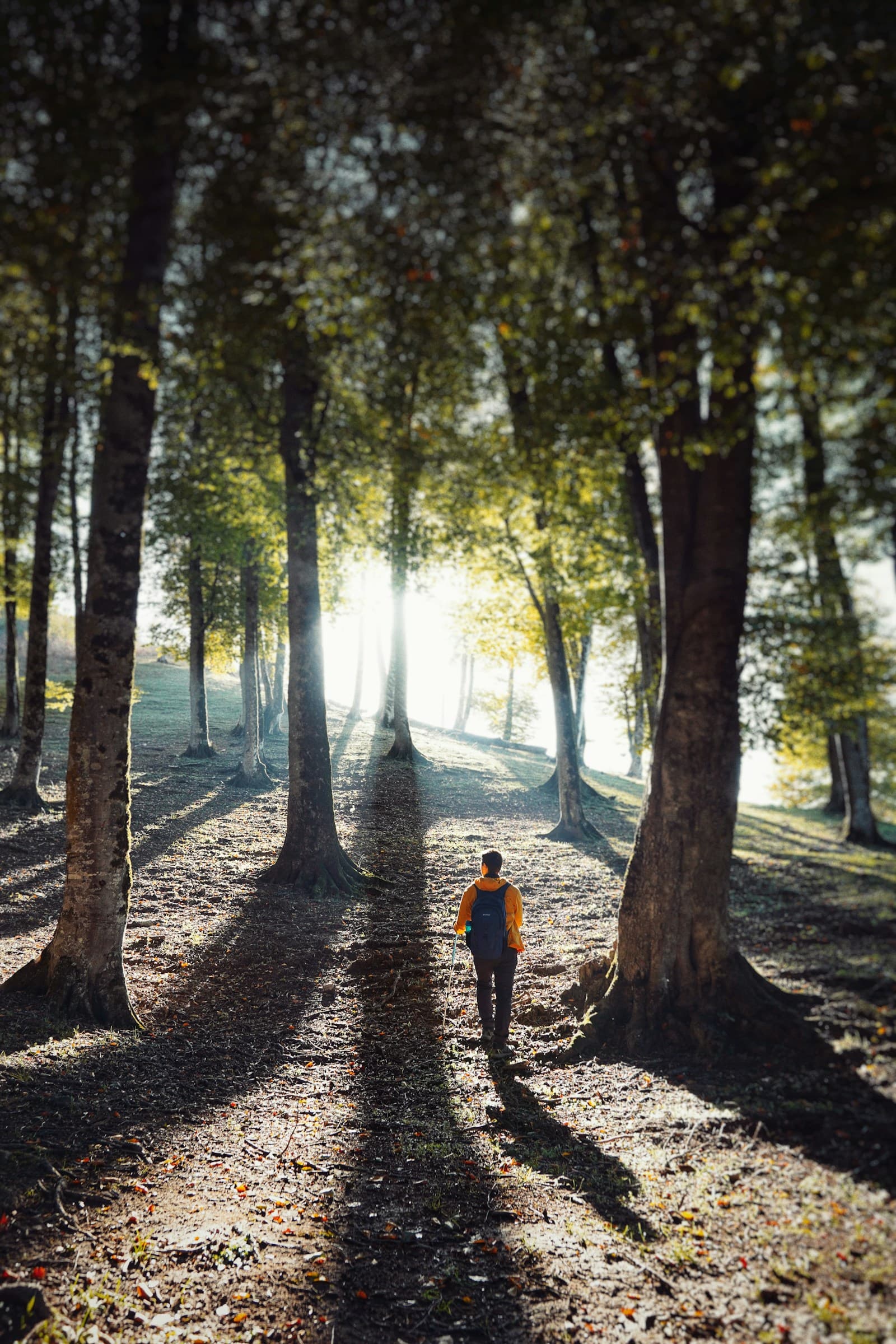
Of all the blood-sugar advice floating around, the cheapest and least demanding might also be one of the best supported: after you eat, go for a short walk. No equipment, no membership, no app. Just a few minutes on your feet at the right moment.
The old Indian habit of a post-dinner stroll, the after-dinner "chehl-kadmi", turns out to have real science behind it.
Why timing beats intensity here
After a meal, the carbohydrates you ate arrive in your bloodstream as glucose, and blood sugar climbs. A light walk during that window puts your muscles gently to work, and working muscles pull glucose out of the blood to use as fuel. The result is a flatter, gentler rise instead of a sharp spike.
Crucially, the benefit is about when you move, not how hard. This isn't a workout. It's a stroll with good timing.
What the research suggests
A body of studies, including a 2022 systematic review, points in a consistent direction: light walking after meals helps manage post-meal blood sugar, and even short bouts help. In one well-known study, three brief walks timed after meals improved daytime blood-sugar control more effectively than a single longer walk taken at another time of day. The headline isn't "exercise more." It's "move a little, at the right moment."
How to actually build the habit
- Anchor it to a meal you already eat at home. Dinner is the easiest for most families. After you finish, before you sit down with the phone, step out for ten minutes.
- Keep it easy. A comfortable, conversational pace is enough. You're not trying to sweat; you're trying to occupy your muscles briefly.
- Make it social. Walk with a partner, a parent, the kids. In many Indian homes the after-dinner walk doubles as the day's catch-up.
- Indoors counts. Bad weather or no safe footpath? Pacing the house, the terrace, or the corridor works too.
Who benefits
Gentle post-meal movement is broadly helpful, and it's especially worth building in if you're managing blood sugar or simply trying to stay ahead of it. That said, if you have a medical condition or take medication that affects blood sugar, check with your doctor about what activity and timing suit you, the general principle is safe, but your specifics are yours.
Most health improvements ask for money, willpower or both. This one mostly asks for ten minutes and a pair of chappals. It's hard to think of a better return on so little.
References & further reading
- Bellini A et al. The effects of postprandial walking on glycemic control: a systematic review with meta-analysis. 2022. PubMed Central
- DiPietro L et al. Three 15-min bouts of moderate postmeal walking significantly improves 24-h glycemic control in older people at risk for impaired glucose tolerance. Diabetes Care, 2013. PubMed Central
- ICMR-National Institute of Nutrition. Dietary Guidelines for Indians, 2024. icmr.nic.in (PDF)
This article is for educational purposes only and does not constitute medical advice. Please consult a qualified doctor or dietitian before making changes to your diet, exercise, or medication. Data cited is the most recent available at the time of writing.