PCOS and Sugar: The Cheapest Treatment Indian Women Aren't Trying
1 in 5 Indian women have PCOS. Most are handed birth control and metformin. Almost nobody tells them about the dietary lever that, for many, works better than both. The honest, evidence-led conversation about insulin resistance, PCOS, and sugar.
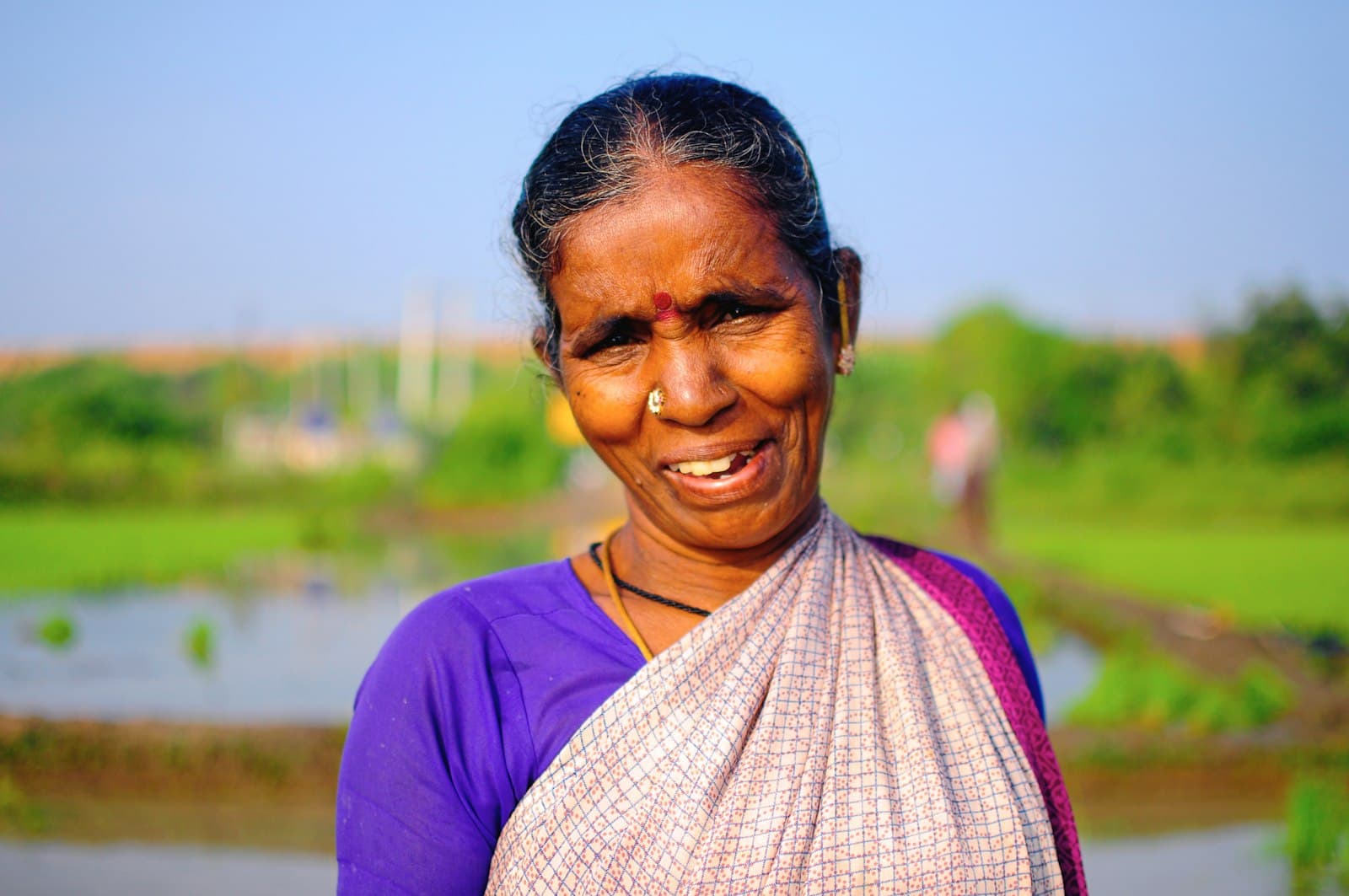
She was 26, a software engineer in Pune, and she'd been on birth control for six years and metformin for four. She had irregular periods, acne that flared on her jawline, and she'd gained 11 kg since college despite eating less than her thinner friends.
"My gynaec says it's PCOS," she told me. "She gave me these pills. They didn't really fix anything."
I asked her one question. "How much sugar do you have in a day?"
She thought about it. Two chais with two spoons each. Office Bournvita in the morning. A "healthy" granola bar. The buttermilk at lunch (sweetened). A small mithai after dinner because her mother insists.
About 60-70 grams. Roughly three times the WHO daily limit.
"Try cutting it for 90 days," I said. "Not perfectly. Just mostly. We'll talk again."
She lost 6 kg, her cycle regularized for the first time in a decade, and her acne cleared. We didn't change a single medication.
PCOS Is (Mostly) a Sugar Problem
Here's what most Indian doctors still don't explain clearly enough: Polycystic Ovary Syndrome is fundamentally a metabolic disorder. Yes, it shows up as irregular periods, acne, facial hair, weight gain, but those are downstream of one root cause for most women.
High insulin. Chronically high insulin tells the ovaries to make more testosterone. Excess testosterone disrupts ovulation, causes acne, drives hirsutism. It also makes the body cling to fat, especially around the belly.
The metformin your doctor prescribed? It works by lowering insulin. Birth control? It masks the symptoms by suppressing your cycle entirely. Neither addresses why your insulin is high in the first place.
Your diet does.
Why Indian Women Get Hit Harder
Indian women have higher PCOS prevalence than most populations, 18-22% across different studies, versus ~10% globally. Three reasons:
1. The thin-fat phenotype, again. Indian women can develop insulin resistance at BMI 21-23, weights considered "normal" everywhere else.
2. The Indian carb profile. Three meals of rice or roti, plus chai with sugar 3-4 times a day, plus snacks. The carbohydrate-to-protein-to-fat ratio is heavily skewed toward starch, which means heavily skewed toward glucose.
3. The "marriage weight" myth. In many Indian families, a slightly heavier daughter is considered healthy and "marriage-ready". Mothers actively encourage extra ghee, more sweets, "balanced" but calorie-heavy meals. This cultural pattern pushes young women into insulin resistance before they're 22.
What Changes When You Cut Sugar
I track this in patients across 3 months. Here's the typical sequence:
- Week 2: Cravings drop. Energy steadier. Bloating reduces noticeably.
- Week 4-6: Acne starts clearing, especially the deep cystic kind around the jaw.
- Week 8-12: Period regularises for many (not all). Weight starts coming off without "trying", typically 4-7 kg in 90 days.
- Month 4-6: Free testosterone drops, SHBG (sex hormone binding globulin) rises, fertility markers improve.
These aren't dramatic claims. They're documented in PCOS dietary intervention trials, including Indian cohorts that showed a low-glycemic-index diet alone improved PCOS markers in over 60% of participants.
The 90-Day Experiment
"But I Can't Live Without Sweetness"
You don't have to. This is the false binary that makes patients give up by week 3.
You're cutting sugar, not sweetness. Monk fruit, stevia, and erythritol-based sweeteners give you the taste without spiking insulin. They're a bridge, not a forever solution, but a way to make the first 90 days bearable while your taste buds reset and your habits shift.
I recommend monk-fruit blends to my PCOS patients for one reason: the taste is closest to sugar, so the psychological transition is easier. MonkSugar is what I keep at home for my own family.
What This Won't Fix
I have to be honest. About 20-30% of women with PCOS have what we call "lean PCOS", normal weight, normal insulin, but persistent androgen excess. Diet helps less for them. Genetic and adrenal pathways dominate.
Dietary change also won't reverse damage from years of unmanaged PCOS, endometrial thickening, persistent ovulation failure, fertility issues. For those, you need a specialist.
But if you're in the 70-80% with insulin-driven PCOS, and you almost certainly are if you have weight gain, dark patches, or jawline acne, cutting sugar will do more than any pill anyone has handed you so far.
To Every Woman Who's Been Told "You Just Have to Live With It"
You don't. The body that was making this much insulin in response to your diet can also stop making this much insulin in response to a different diet. The system isn't broken. It's just being asked to do something it can't keep up with.
Ninety days. One experiment. Tell your gynaec, get the baseline labs, and see what your body does when you stop pouring 60 grams of glucose into it every day.
This article is for educational purposes only and does not constitute medical advice. PCOS is a complex condition with multiple causes. Always work with a gynaecologist and endocrinologist when making significant dietary or medication changes.
References
- Ratnakumari ME, Manavalan N, Sathyanath D, et al. "Study to Evaluate the Changes in PCOS with Naturopathic and Yogic Interventions." International Journal of Yoga, 2019.
- Goyal M, Dawood AS. "Debates regarding lean patients with polycystic ovary syndrome." Journal of Human Reproductive Sciences, 2017.
- Marsh KA, Steinbeck KS, Atkinson FS, Petocz P, Brand-Miller JC. "Effect of a low glycemic index compared with a conventional healthy diet on polycystic ovary syndrome." American Journal of Clinical Nutrition, 2010.
- Bharali MD, Rajendran R, Goswami J, Singal K, Rajendran V. "Prevalence of Polycystic Ovarian Syndrome in India." Cureus, 2022.