Diabetes Before 30: The Indian Generation We're Losing
Type-2 diabetes used to be a 'middle-age problem'. Now I'm diagnosing 22-year-olds. Here's what's happening to young Indians, and why most of them won't know until something breaks.
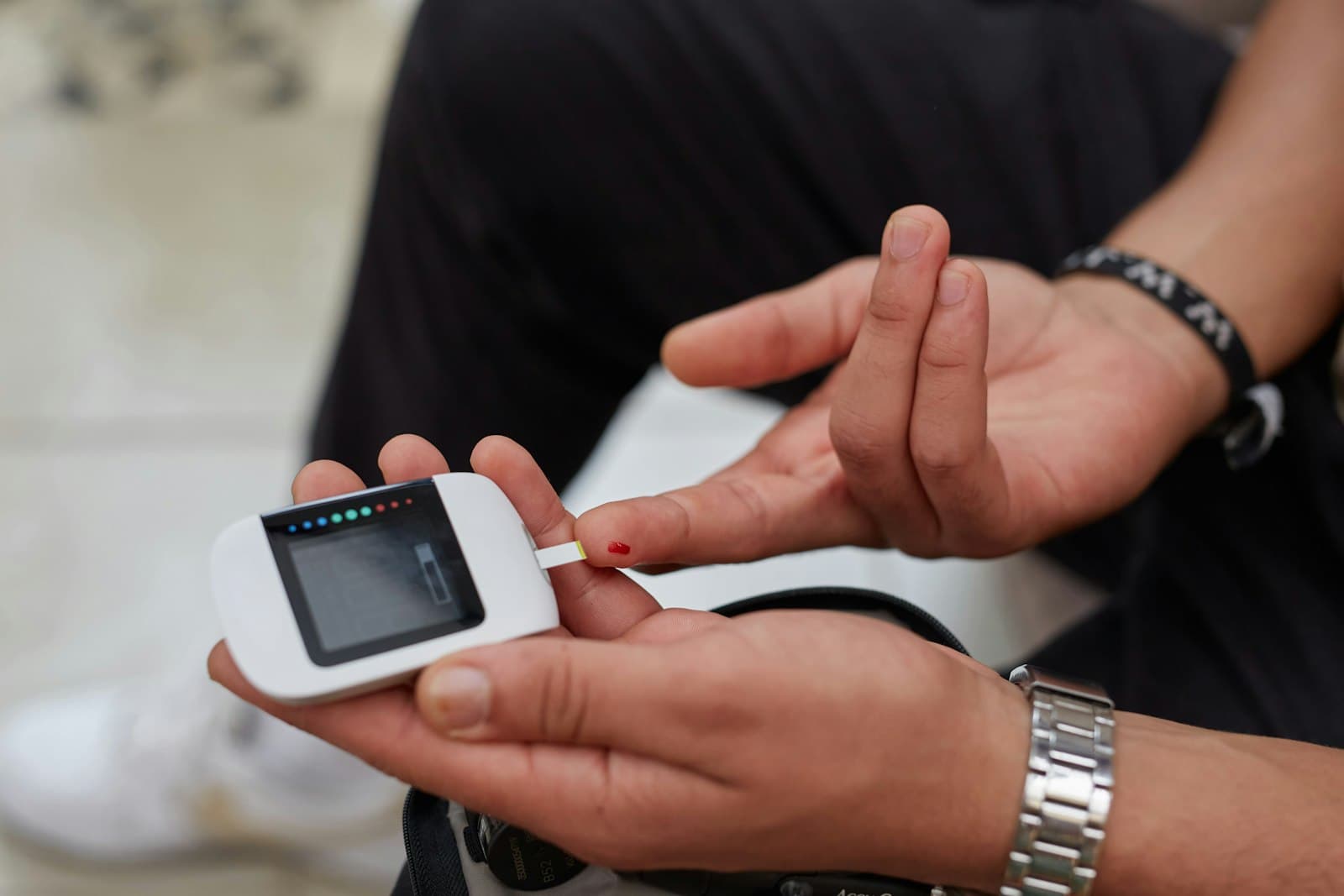
Last Tuesday a 24-year-old IT engineer walked into my OPD with what he thought was a urinary tract infection. He'd been peeing more than usual, drinking water like he couldn't quench it, and losing weight he hadn't been trying to lose.
His fasting blood sugar came back 218. HbA1c was 9.4.
Full-blown type-2 diabetes at 24. No family history. Normal BMI. Vegetarian, mostly home-cooked food. He started crying when I told him.
I'm writing this because he's not unusual anymore.
The Curve Has Moved
Thirty years ago, type-2 diabetes was a 50-something's diagnosis. Today the largest growth segment is 20-39 year olds. In urban India, about 1 in 7 adults under 35 is now prediabetic or diabetic.
This isn't a statistic from a Western journal. This is from the ICMR-INDIAB study, the biggest survey we have on Indian diabetes patterns, run across 31 states.
Why Indians Specifically
Three things stack against the Indian body:
1. The thin-fat phenotype. Indians develop visceral fat (the fat around organs) at much lower BMIs than Europeans. You can be 60 kg, look "slim", and have the metabolic profile of someone 20 kg heavier. Studies call us "metabolically obese, normal weight".
2. A lower beta-cell reserve. The cells in your pancreas that make insulin? Indians, on average, have fewer of them and burn through them faster. Once they're tired, they don't come back.
3. Generational sugar exposure. The 25-year-old today grew up drinking Bournvita-loaded milk, eating Maggi, sipping Frooti, snacking on biscuits, from age 4. Our parents got their first Coke at 25. Our generation has been on a glucose drip since toddlerhood.
The Warning Signs You'll Dismiss
Here's what young diabetics tell me they had for months before diagnosis, and what they assumed it was:
- Extreme thirst, especially at night, "I was just drinking more water."
- Peeing 6-8 times a day, "Maybe it's the AC."
- Constant tiredness after meals, "Office stress."
- Dark patches on the neck or armpits (acanthosis nigricans), "I thought it was dirt."
- Wounds that take 2-3 weeks to heal, "Bad immunity, na?"
- Vision that goes blurry for an hour after eating, "Screen time."
- Unexplained weight loss, "Finally my diet is working!"
The cruel irony of the last one: weight loss in a young person who isn't trying is one of the most reliable signs of new-onset diabetes. The body, unable to use glucose, starts breaking down muscle and fat for fuel.
What Insulin Resistance Looks Like at 25
At 25, your pancreas is still strong enough to muscle through high-sugar meals. It just dumps more insulin. You feel fine. Your fasting blood sugar reads "normal" (88, 92, 96).
But your insulin level is quietly climbing. Three to five years of this, and the pancreas starts giving up. Your fasting sugar creeps to 105, then 115. That's prediabetes. Most young Indians have no idea this stage even exists, because nobody tests for insulin, they only test for sugar.
Ask for a fasting insulin test alongside your fasting sugar. The HOMA-IR score (calculated from both) tells you whether your pancreas is already working overtime, years before sugar shows up on a routine panel.
The 5-Year Cost of Early-Onset Diabetes
- HbA1c tests every 3 months: ₹400 × 20 = ₹8,000
- Daily metformin + supporting medication: ₹1,200/month × 60 = ₹72,000
- Endocrinologist visits: ₹1,500 × 8 = ₹12,000
- Annual eye, kidney, heart screening: ₹4,000 × 5 = ₹20,000
- Continuous glucose monitor (if needed): ₹3,500 × 6 = ₹21,000
What to Ask For at Your Next Health Check
Annual "company health check" packages usually only test fasting glucose. That misses early insulin resistance entirely. Insist on:
- HbA1c, your 3-month average sugar (anything over 5.7 is prediabetes).
- Fasting insulin, and ask the lab to calculate HOMA-IR.
- Lipid profile, high triglycerides + low HDL is the metabolic signature.
- Fatty liver scan (USG abdomen), 1 in 3 urban Indians under 40 already has this.
- Waist circumference, >90 cm (men) or >80 cm (women) is the Indian danger line, far below the global cut-off.
5 Things You Can Do This Month
- Cut liquid sugar first. Cold drinks, packaged juice, sweetened lassi, energy drinks. These spike harder than any solid food.
- Walk 10 minutes after every major meal. Even slow walking after dinner can drop the post-meal glucose spike by 25-30%.
- Switch the chai sugar. Three chais a day at 2 spoons each is 90g of sugar a week. A simple swap to a zero-GI sweetener removes 4.5 kg of sugar from your year.
- Sleep 7 hours. One night of 5-hour sleep drops insulin sensitivity by 25%. Two nights and you're in the prediabetic range for the next 48 hours.
- Test at 25, not 40. If you have any family history or any of the symptoms above, get your HbA1c and fasting insulin checked this year. It's a ₹1,500 test that could change the next 40 years.
To the Person Reading This in Their Twenties
I know diabetes feels like a "later" problem. So did your father's. So did mine.
The difference between you and the 24-year-old who walked into my OPD last Tuesday isn't genetics. It's whether you'll get tested, and whether you'll change the small daily defaults, the chai sugar, the after-dinner walk, the cold drink at lunch, while they're still small.
Twenty-four is not too young to think about this. It might be exactly the right age.
This article is for educational purposes only and does not constitute medical advice. If you are experiencing symptoms or have a family history of diabetes, please consult a physician.
References
- Anjana RM, Unnikrishnan R, Deepa M, et al. "Metabolic non-communicable disease health report of India: the ICMR-INDIAB national cross-sectional study." The Lancet Diabetes & Endocrinology, 2023.
- Yajnik CS, Yudkin JS. "The Y-Y paradox: the thin-fat Indian." The Lancet, 2004; 363(9403): 163.
- Gujral UP, Pradeepa R, Weber MB, Narayan KM, Mohan V. "Type 2 diabetes in South Asians: similarities and differences with white Caucasian and other populations." Annals of the New York Academy of Sciences, 2013.
- NCD Risk Factor Collaboration. "Worldwide trends in diabetes prevalence and treatment from 1990 to 2022." The Lancet, 2024.
- Pradeepa R, Mohan V. "Epidemiology of type 2 diabetes in India." Indian Journal of Ophthalmology, 2021.