How Much Sugar Is Too Much? The Daily Limit Almost No One Has Heard
The WHO says six teaspoons. India’s 2024 guidelines say about 20–25 grams. Here is what the official added-sugar limits actually mean, and four painless ways to live inside them.
Ask ten people how much sugar is "okay" in a day and you'll get ten answers, most of them a shrug. It turns out the health authorities have been surprisingly specific about this for years. The problem is that almost nobody has heard the number, and once you do, your kitchen never looks quite the same.
So let's put the actual figures on the table, where they belong.
The number, in plain terms
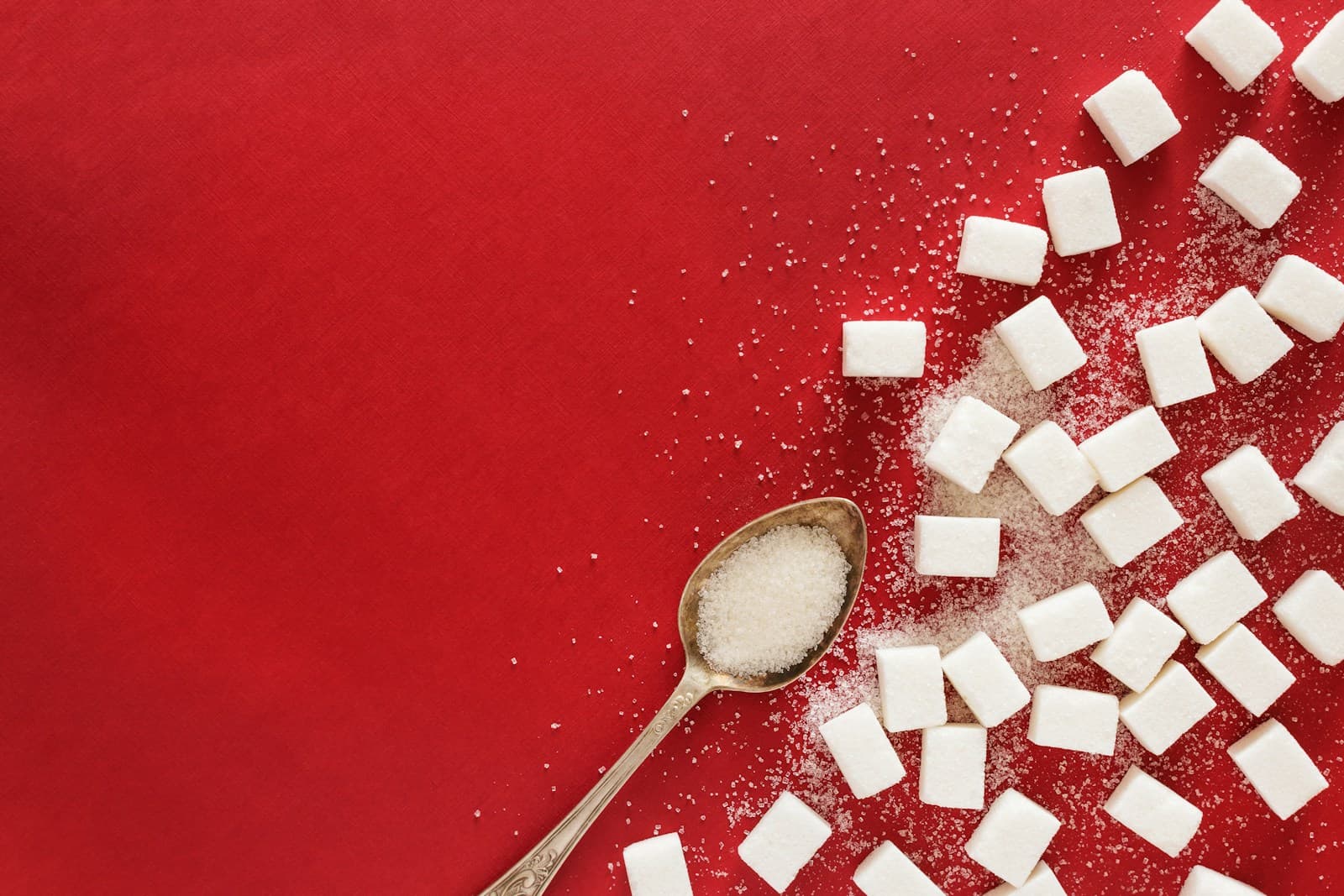
The World Health Organization recommends keeping free sugars, the sugar added to food plus what's naturally in honey, syrups and fruit juice, below 10% of your daily energy. On a typical 2,000-calorie day, that's about 50 grams. WHO then adds a stronger suggestion: dropping below 5%, roughly 25 grams or six teaspoons a day, brings extra benefit.
India's own 2024 Dietary Guidelines from the ICMR-National Institute of Nutrition land in the same neighbourhood, advising adults to hold added sugar to about 20 to 25 grams a day.
Here's the catch worth sitting with: six teaspoons is the whole day's budget, not a per-cup allowance. Two cups of chai at two teaspoons each already spends most of it before breakfast is over.
"Free sugar" is not the same as "the sugar you can see"
The guidelines are careful about wording, and so should we be. Free sugars include table sugar and jaggery, but also the sugar hiding in a fruit juice carton, a spoon of honey, a bottled cold coffee, a "health" drink stirred into milk. What the guidelines do not count is the sugar built into whole fruit and plain milk, because the fibre, water and protein around it change how your body handles it.
In other words, an orange is not the problem. A glass of orange juice, where you drink the sugar of three oranges without the fibre, is closer to it.
Why the ceiling exists at all
These limits aren't about guilt. They were set because consistently exceeding them is linked with unhealthy weight gain and dental decay, and, over years, with the metabolic strain that precedes conditions like type 2 diabetes. The recommendation is a lever most of us can actually pull, unlike our genes or our age.
How to live inside 25 grams without misery
You don't need a food scale or a spreadsheet. A few habits do most of the work:
- Count your chai and coffee first. This is usually the single biggest line item in an Indian day. Trimming half a teaspoon per cup is almost never noticed after a week.
- Treat drinks as the main offender. Sweetened beverages deliver sugar fast and leave you no fuller. Water, chaas, or unsweetened nimbu pani cost you nothing from the budget.
- Give the whole fruit the right of way. Eat the orange, skip the juice. You'll get the sweetness plus fibre that slows everything down.
- Read one number on the packet. Find "Total Sugars" and mentally divide by 4 to picture the teaspoons. It reframes a lot of "healthy" snacks in a hurry.
None of this asks you to give up dessert forever. It asks you to know your budget so you can spend it on the sweets that are actually worth it, the Diwali mithai your grandmother makes, not the sugar you never even tasted in a sauce.
References & further reading
- World Health Organization. Guideline: Sugars intake for adults and children, 2015. who.int
- World Health Organization. Reducing free sugars intake in adults to reduce the risk of noncommunicable diseases (eLENA). who.int/tools/elena
- ICMR-National Institute of Nutrition. Dietary Guidelines for Indians, 2024. icmr.nic.in (PDF)
This article is for educational purposes only and does not constitute medical advice. Please consult a qualified doctor or dietitian before making changes to your diet, exercise, or medication. Data cited is the most recent available at the time of writing.