The Glycemic Index, Explained Simply (And Why It Matters for Every Indian Plate)
Two foods with the same sugar can spike your blood very differently. Here is the glycemic index in plain language, the bands, the surprises, its honest limits, and how to use it without obsessing.
Two foods can have the exact same amount of "sugar" on the label and do completely different things to your blood once you eat them. That single, slightly unfair fact is what the glycemic index was invented to measure, and once it clicks, you start reading your own plate differently.
What the glycemic index actually measures
The glycemic index (GI) ranks carbohydrate foods from 0 to 100 by how quickly and how high they push your blood glucose after eating. Pure glucose sits at the top of the scale at 100. Everything else is measured against it.
The convention is simple:
The part that surprises people
GI doesn't track your intuition about "sweetness." Plenty of foods that taste barely sweet still behave like sugar inside you. White bread and many white rices land in the high band, near or above table sugar. Meanwhile a bowl of rajma or chana, despite the carbohydrates, sits comfortably low because the fibre and protein slow digestion down.
This is why "I don't even eat sweets" isn't the whole story. A plate that's mostly white rice, refined-flour roti and a sugary drink can spike blood sugar harder than a small square of dark chocolate.
GI's honest limitations
The index is useful, not gospel, and good science is upfront about where it wobbles:
- Portion matters, and GI ignores it. That's why nutritionists also use glycemic load, which multiplies GI by the actual carbohydrate in a serving. Watermelon has a high GI but so little carbohydrate per slice that its real-world impact is modest.
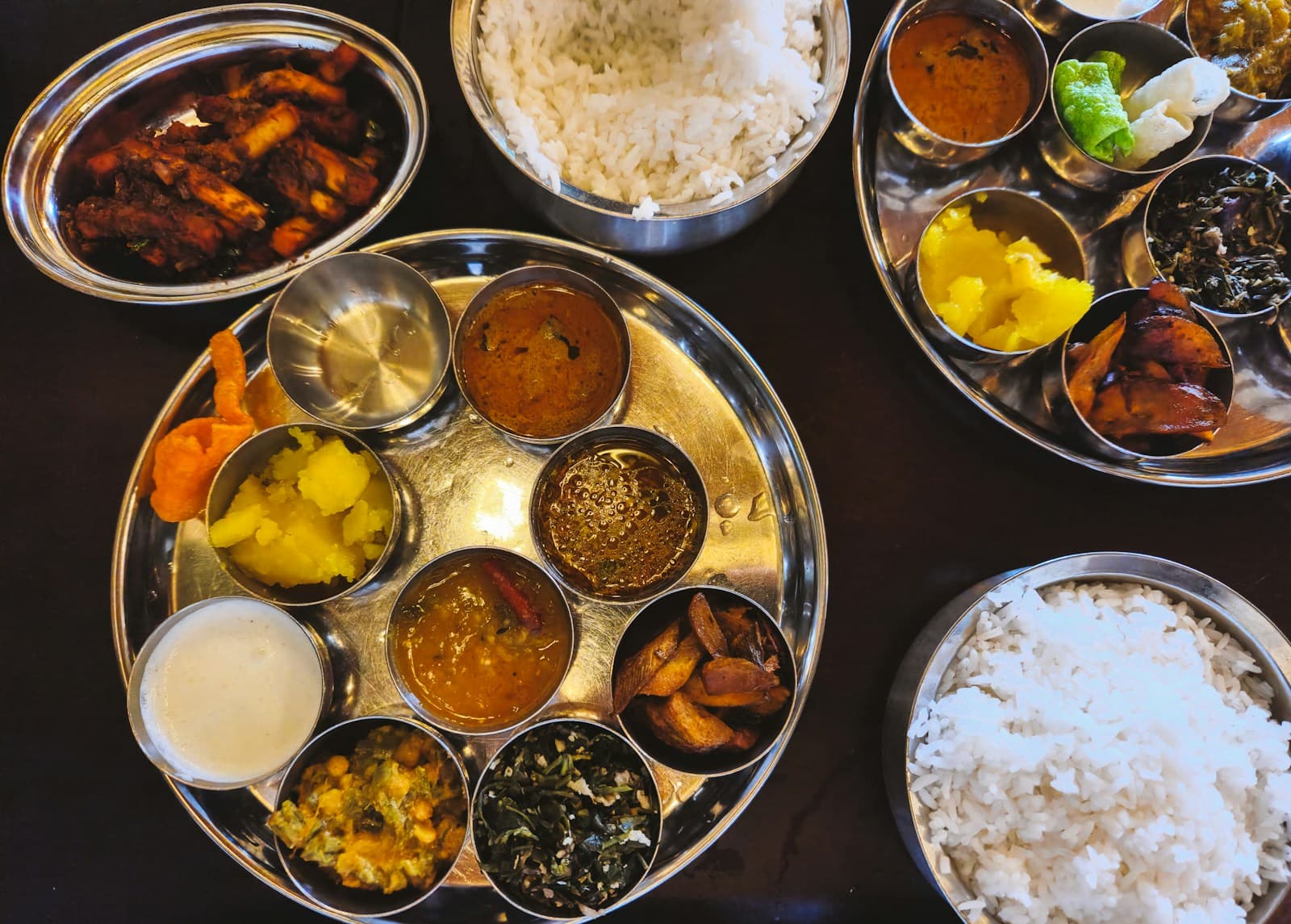
- You rarely eat one food alone. Adding fat, protein, curd or vegetables to a meal lowers the overall response. Ghee on a roti, dal with rice, curd with a paratha, Indian thalis are often self-correcting this way.
- Cooking and ripeness shift the number. A firm banana, cooled rice, or an al-dente preparation behaves differently from an overripe or overcooked version.
How to use it without obsessing
You don't need to memorise a chart. A few directional habits capture most of the benefit:
- Swap some refined staples for whole ones. Millets like ragi and bajra, whole pulses, and unpolished grains generally sit lower than their white, refined cousins.
- Build the plate, don't fear the carb. Pair a higher-GI food with fibre, protein or fat and the spike softens on its own.
- Watch drinks and liquids. Liquid sugar has nothing to slow it down, which is why juices and sweetened beverages behave so aggressively.
The glycemic index isn't a list of forbidden foods. It's a lens. Once you can roughly picture how a meal will land, you make calmer, better swaps, without turning dinner into a maths exam.
References & further reading
- Mayo Clinic. The glycemic index can be a helpful chart, but has its limits. mayoclinic.org
- Linus Pauling Institute, Oregon State University. Glycemic Index and Glycemic Load. lpi.oregonstate.edu
- Mayo Clinic. Low-glycemic index diet: What's behind the claims? mayoclinic.org
This article is for educational purposes only and does not constitute medical advice. Please consult a qualified doctor or dietitian before making changes to your diet, exercise, or medication. Data cited is the most recent available at the time of writing.