Hidden Sugars: A 90-Second Field Guide to Reading Indian Food Labels
The front of the packet is an ad; the back is the truth. Learn the four-step method to spot hidden sugar, the teaspoon trick, the serving-size trap, and the many aliases sugar hides behind.
The front of a packet is an advertisement. The back is where the truth lives. And on the back of an astonishing number of "healthy," "natural" and "protein-rich" products, sugar is sitting quietly near the top of the list, often under a name you wouldn't recognise as sugar at all.
Learning to read a label takes about ninety seconds and, once learned, can't be unlearned. Here's the whole method.
Step 1: Find "Total Sugars" and translate it into teaspoons
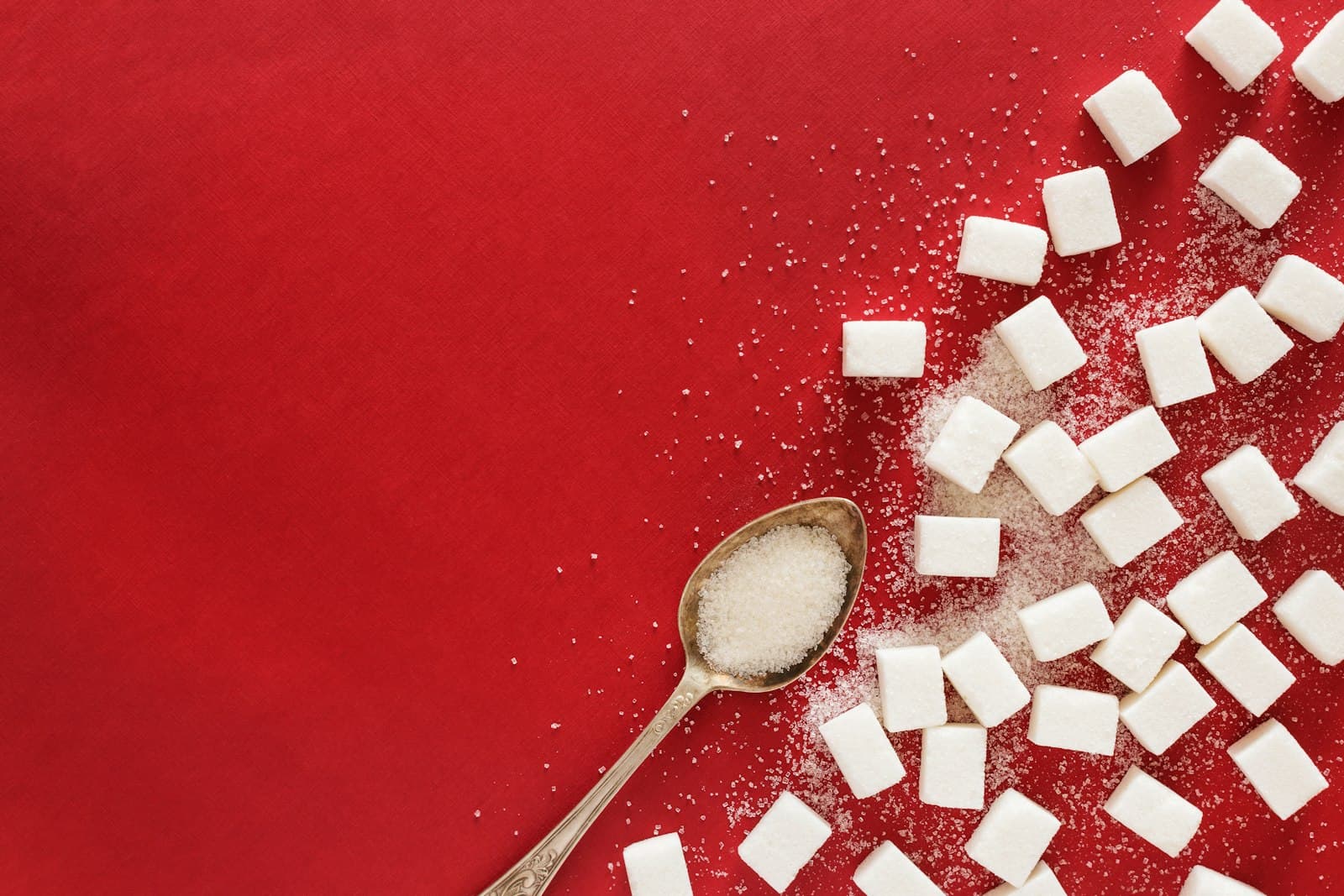
On the nutrition panel, look for Total Sugars (grams). Then divide by four. That's roughly the number of teaspoons in the serving, because one teaspoon of sugar is about four grams. A drink showing "24 g sugar" is six teaspoons in a glass, the whole day's ideal budget in one gulp.
Step 2: Mind the serving-size trick
Manufacturers can make sugar look small by making the serving small. A label may quote "per 30 g" when nobody eats only 30 grams. Always check the serving size and multiply up to what you'll realistically eat. Two "servings" of cereal in one bowl means doubling every number.
Step 3: Learn sugar's many aliases
Ingredients are listed in descending order by weight, so an ingredient near the top is present in a big amount. The trick is that sugar can be split across several names so that no single one reaches the top, even though, added together, sugar would. Watch for these:
- Anything ending in "-ose": sucrose, glucose, fructose, dextrose, maltose, lactose.
- Syrups: corn syrup, high-fructose corn syrup, glucose syrup, malt syrup, rice syrup, invert syrup.
- "Natural"-sounding sugars: cane juice, fruit-juice concentrate, honey, molasses, jaggery, maltodextrin.
- Solids and crystals: glucose solids, cane crystals, caramel.
If two or three of these appear in the same short ingredient list, you're looking at a sugar-forward product wearing a healthy costume.
Step 4: Don't be fooled by health halos
Some of the most sugar-dense products in an Indian kitchen carry the most wholesome branding: flavoured yoghurts, "energy" and "protein" bars, breakfast cereals aimed at children, health-drink powders mixed into milk, and fruit juices marketed as "no added sugar" that are still concentrated fruit sugar. "Brown" and "multigrain" on the front tell you nothing until you've checked the back.
What's coming on Indian packs
Labelling in India is getting stricter. The FSSAI has been working toward clearer front-of-pack disclosure for foods high in fat, sugar and salt, prompted in part by the Supreme Court, with a tabular or pictorial warning format under active discussion. Until that lands fully, the back-of-pack nutrition panel remains your most reliable tool, and it's already there on everything you buy.
The ninety-second habit
Flip the packet. Read Total Sugars, divide by four. Check the serving size. Scan the ingredients for two or three sugar aliases. That's it. Do it a dozen times and you'll build an instinct that quietly upgrades your entire trolley without a single diet book.
References & further reading
- Food Safety and Standards Authority of India. Labelling & Display Regulations. fssai.gov.in (PDF)
- The Print. FSSAI and front-of-pack labels for foods high in fat, sugar & salt. theprint.in
- World Health Organization. Guideline: Sugars intake for adults and children, 2015. who.int
This article is for educational purposes only and does not constitute medical advice. Please consult a qualified doctor or dietitian before making changes to your diet, exercise, or medication. Data cited is the most recent available at the time of writing.