
Sugar and Your Teeth: What Actually Causes Decay (and How Often Matters)
Tooth decay is the oldest and most common sugar-related disease. Free sugar is its main cause, and how frequently you eat it matters as much as the total amount.
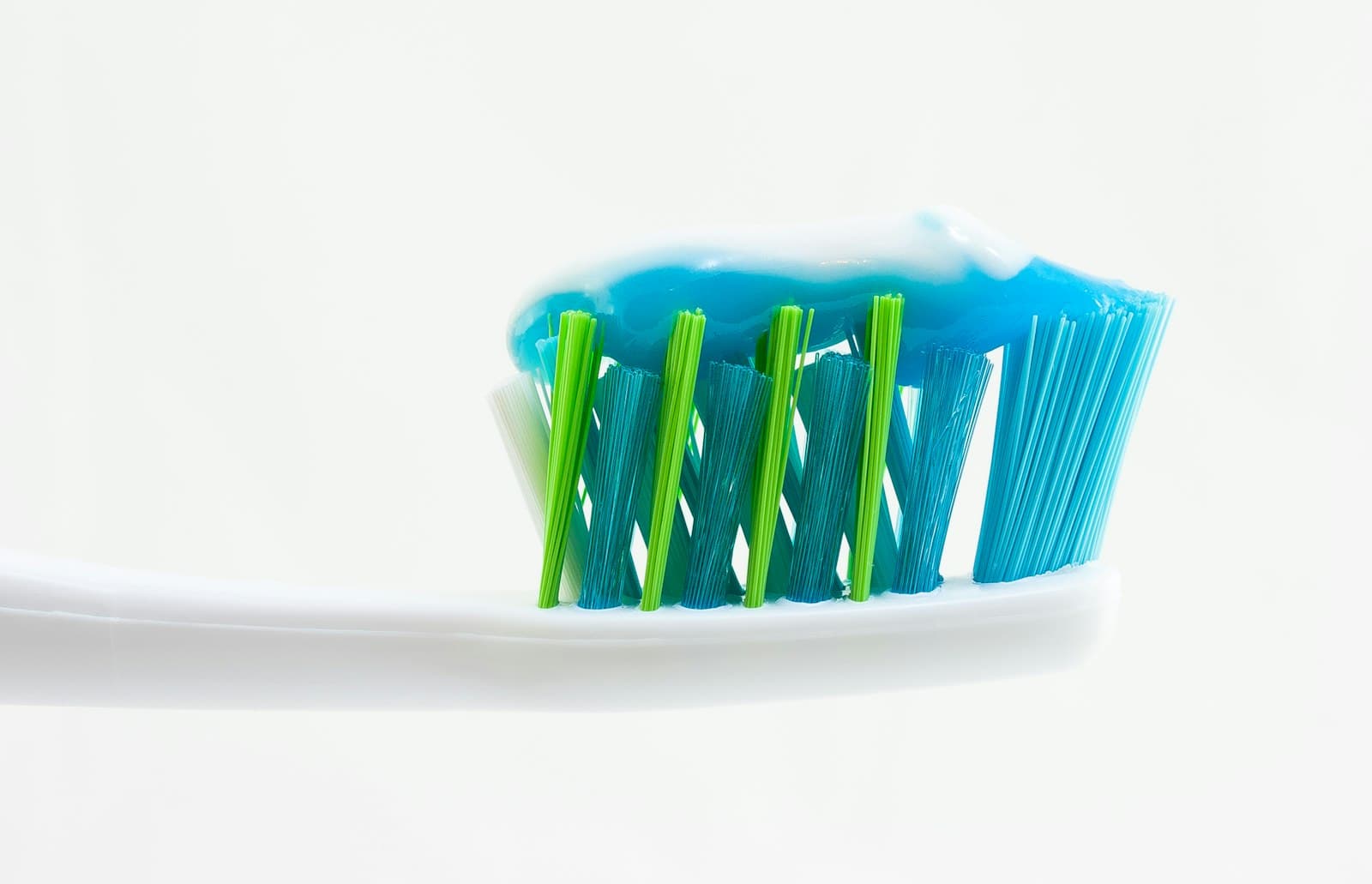
Long before anyone worried about blood sugar, sugar was already doing visible damage in one place: our teeth. Dental decay is the most common noncommunicable disease in the world, and its main dietary cause is not a mystery. It is free sugar.
The good news is that this is also one of the most preventable problems there is, once you understand how it happens.
How sugar actually damages a tooth
Your teeth are coated in plaque, a thin film of bacteria. When you eat free sugar, those bacteria feed on it and produce acid as a by-product. That acid pulls minerals out of the enamel, a process called demineralisation. Do it once and your saliva repairs the damage over the next hour or two. Do it again and again, all day, and the repair never catches up. Over time, that is a cavity.
The World Health Organization is clear that free sugars are the single most important risk factor for tooth decay, which is exactly why its guidance to keep free sugars below 10% of energy, and ideally below 5%, is framed as protecting dental health across your whole life.
The part most people miss: frequency
Here is the crucial twist. For your teeth, how often you eat sugar can matter as much as how much. Every sugary snack or sip restarts the acid attack and resets the clock your saliva needs to recover. So slowly sipping a sweet drink over an hour, or grazing on toffees through the afternoon, is harder on teeth than eating the same sugar all at once with a meal. A constant drip of small amounts keeps your mouth acidic almost non-stop.
Why children need extra care
Children's teeth are especially vulnerable, and childhood habits set the pattern for life. Sweetened drinks, juices, and frequent sugary snacks are common culprits, and giving a child a bottle of anything sweet to sip slowly is one of the hardest patterns on young teeth. None of this means banning every treat, just being mindful of how often, not only how much.
Simple habits that protect teeth
- Batch your sugar, do not graze it. If you are going to have something sweet, having it with a meal is gentler than nibbling it across the day.
- Rinse or drink water after something sweet or acidic. It helps wash away sugar and dilute the acid.
- Do not brush immediately after acidic food. Enamel is softened right after; wait about thirty minutes so you are not scrubbing weakened enamel.
- Brush twice a day with fluoride toothpaste, especially before bed, when saliva flow drops and the mouth stays sugary longer.
- Prefer water over sweet drinks between meals, for both children and adults.
Cutting back on sugar is usually framed around weight or diabetes. But your teeth feel it first, and they respond fastest. Protecting them is often as simple as changing when and how often the sugar shows up, not just how much.
References & further reading
- World Health Organization. Fact sheet: Sugars and dental caries. who.int
- Moynihan P, Kelly S. Effect on caries of restricting sugars intake: systematic review to inform WHO guidelines. J Dent Res, 2014. pubmed.ncbi.nlm.nih.gov
- World Health Organization. Guideline: Sugars intake for adults and children, 2015. who.int
This article is for educational purposes only and does not constitute medical advice. Please consult a qualified doctor or dietitian before making changes to your diet, exercise, or medication. Data cited is the most recent available at the time of writing.