The Second-Meal Effect: How Breakfast Quietly Decides Your Lunch Blood Sugar
What you eat at breakfast keeps working hours later, shaping how your body handles lunch. It is called the second-meal effect, and it is easy to put to use.
Here is a strange, useful fact: the breakfast you eat can change how your body handles the lunch you eat four hours later. Not because you are still full, but because the first meal leaves a metabolic footprint that the second one steps into. Nutrition scientists call it the second-meal effect.
Once you know it exists, breakfast stops being just breakfast. It becomes a lever on your whole morning.
What the effect actually is
When your first meal releases its sugar slowly, a low glycemic index meal, your blood sugar handles the next meal better too. The classic demonstration is simple: people given lentils at breakfast had roughly a 30% smaller blood-sugar rise after lunch than people given white bread, even though lunch was identical. A 2012 review pulling together twenty controlled trials found the same pattern again and again, a 20 to 30% improvement at the second meal after a low-GI first meal.
Why a past meal reaches into the next one
A slow-releasing meal keeps a gentle trickle of nutrients arriving in the blood for hours, which keeps certain gut hormones, like GLP-1, elevated. That primes the pancreas to respond more efficiently when the next wave of glucose arrives, so the lunch peak is lower. Slowly fermenting fibre from pulses and whole grains adds to the effect through the day. In short, a calm breakfast sets up a calm lunch.
What this looks like on an Indian table
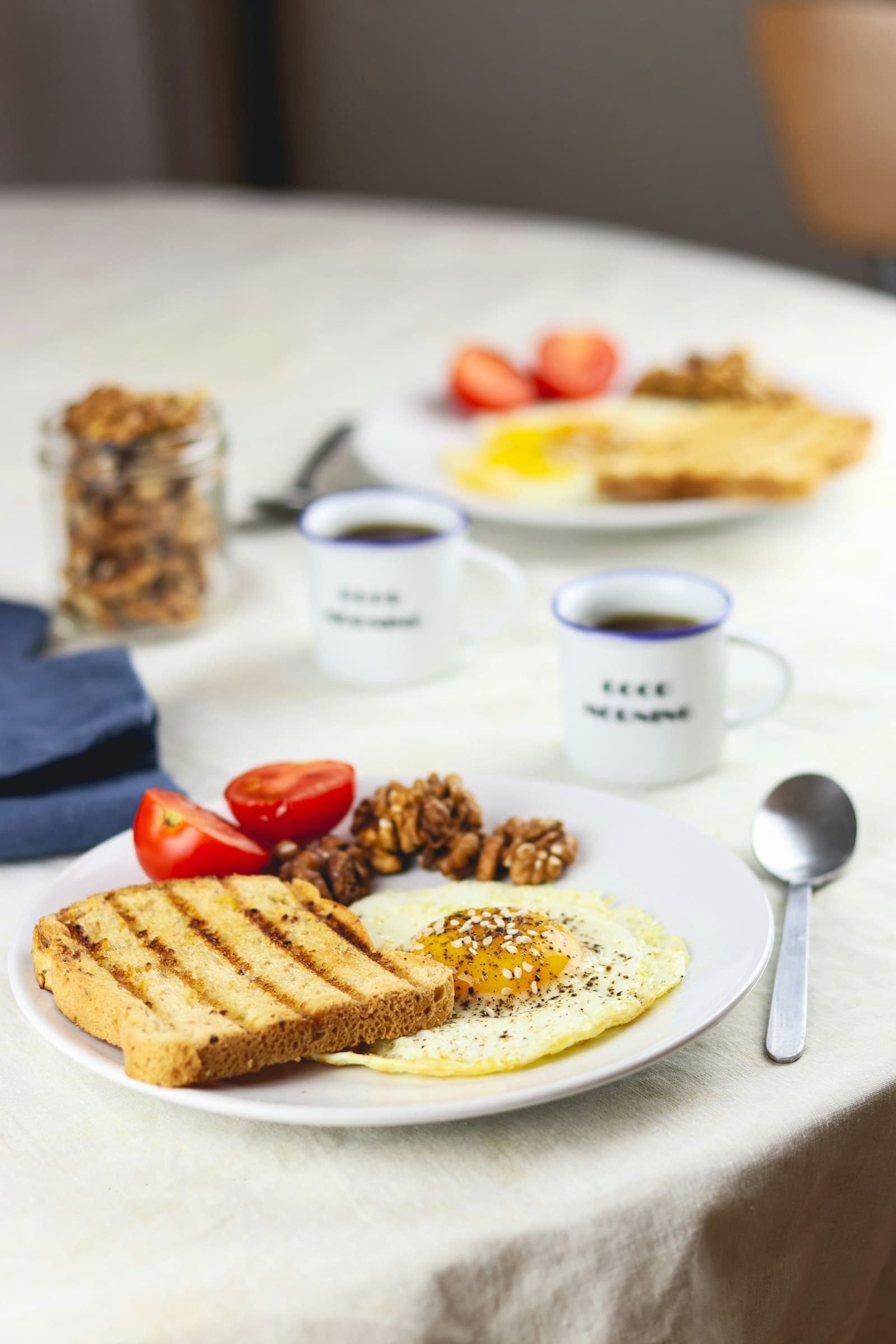
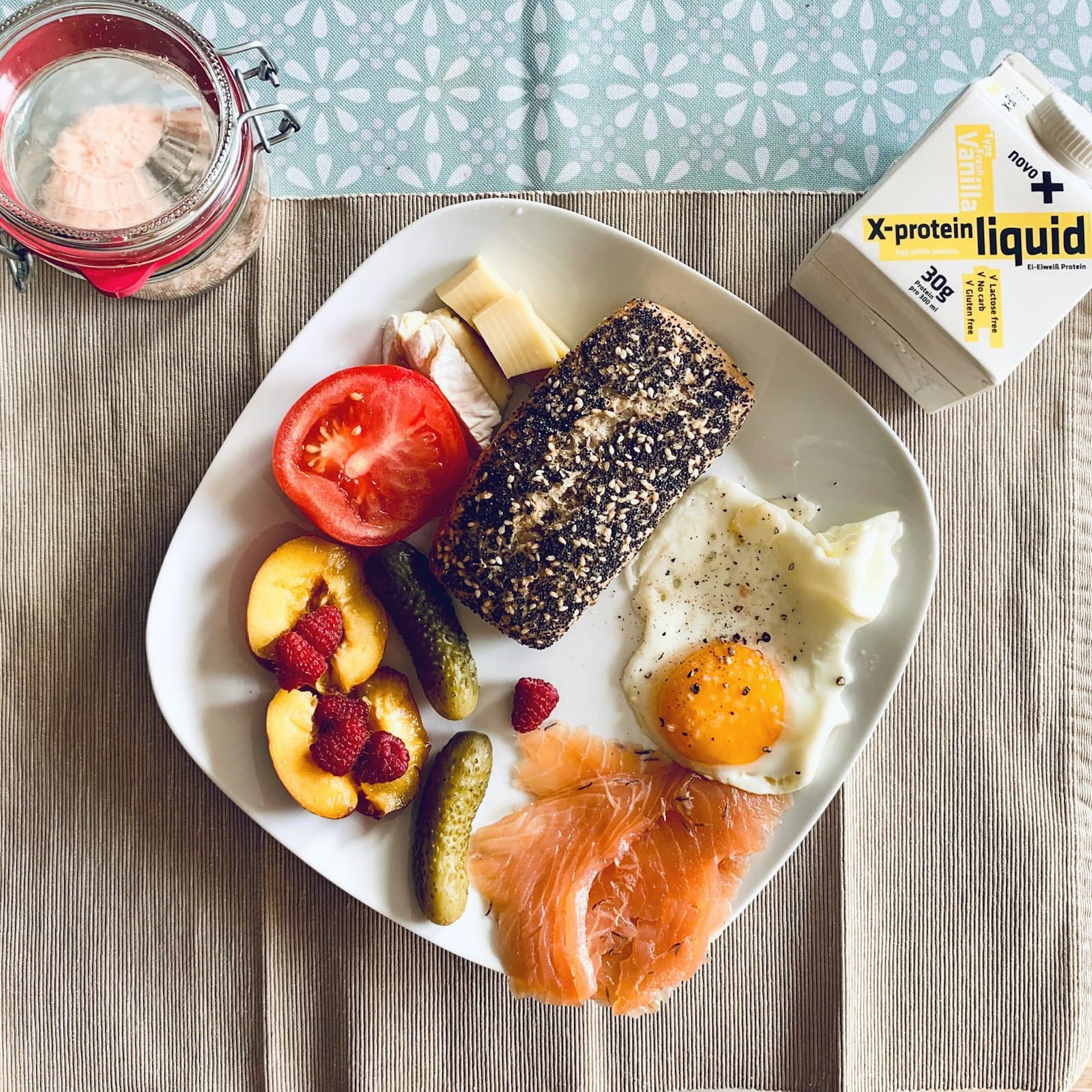
The lesson isn't "skip breakfast" or "eat less." It is to start the day with something that releases its energy slowly. That tends to mean pulses, whole grains and protein rather than refined flour and sugar. A besan chilla, a bowl of oats, idli with sambar, moong dal, or poha with peanuts and vegetables all lean the right way. A breakfast of white bread, sugary cereal or a sweet biscuit with tea leans the other.
Simple swaps that use the effect
- Add a pulse or protein to breakfast. Sambar with idli, an egg, a bowl of dal, or peanuts in your poha all slow the release.
- Choose whole over refined at the first meal. Oats, millet or whole-grain options set up the rest of the morning better than maida.
- Do not drink your breakfast. A glass of sweet juice or a sugary drink is the opposite of a slow-release start.
- Carry the idea to dinner too. A lower-GI dinner can even improve the next morning's breakfast response, so the effect works across the whole day.
You are not just eating one meal at a time. Each meal quietly hands instructions to the next. Start the chain gently, and the rest of the day follows more smoothly.
References & further reading
- Jenkins DJA et al. Second-meal effect: low-glycemic-index foods eaten at dinner improve subsequent breakfast glycemic response. Am J Clin Nutr, 1982. pubmed.ncbi.nlm.nih.gov
- Systematic review of the second-meal effect and glycemia (ResearchGate summary). researchgate.net
- ICMR-National Institute of Nutrition. Dietary Guidelines for Indians, 2024. icmr.nic.in (PDF)
This article is for educational purposes only and does not constitute medical advice. Please consult a qualified doctor or dietitian before making changes to your diet, exercise, or medication. Data cited is the most recent available at the time of writing.